The Shifting Atlas:
Preserving the Saint Louis regatta
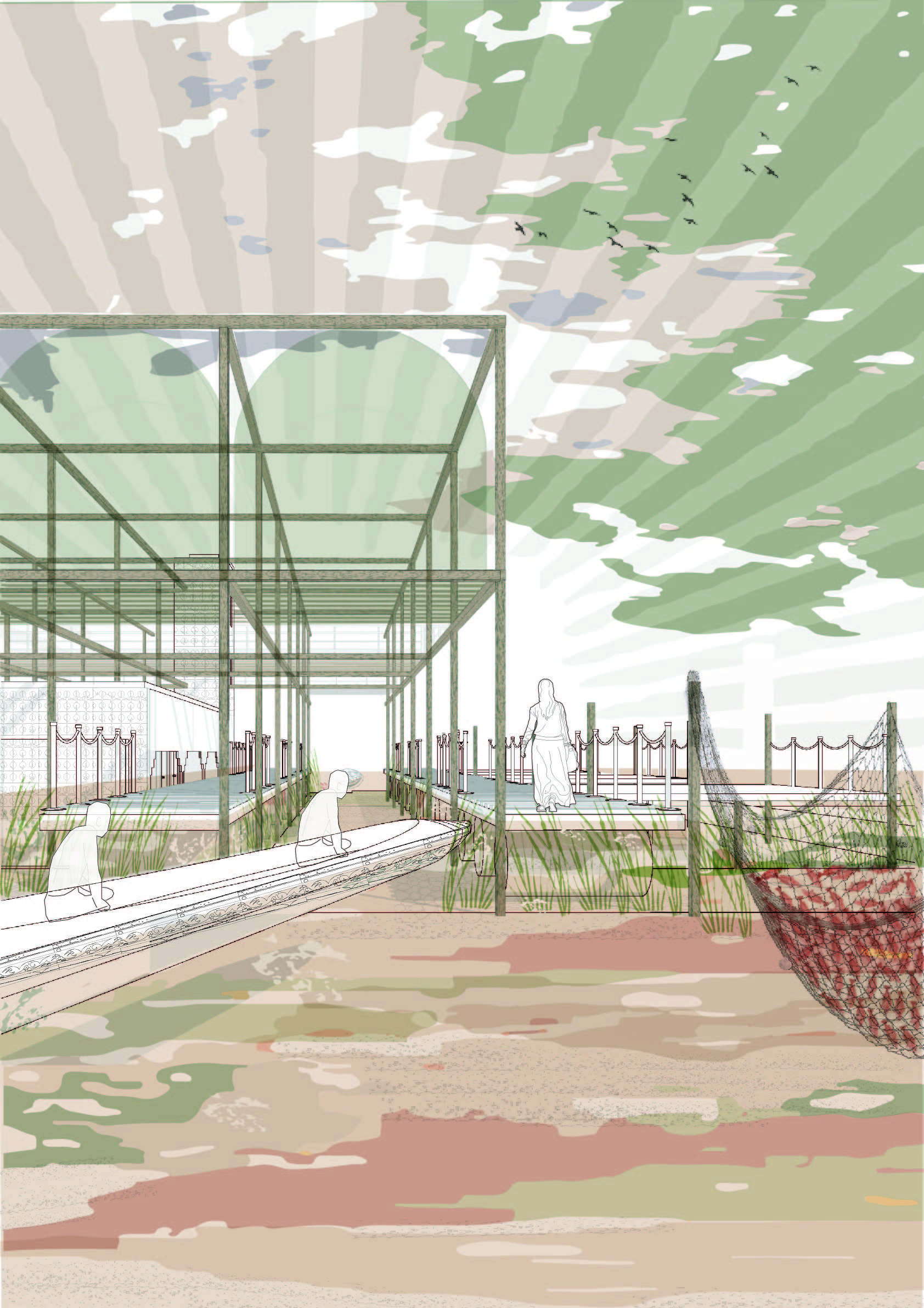
This project explores the preservation of the Saint Louis Regatta festival due to its susceptibility to climate change. It speculates a re-imagining of the festival that adapts in response to climate change over time. The island city of Saint-Louis, which is surrounded by enormous bodies of water and connected to the mainland by land bridges, is a constantly morphing natural landscape. In the estuary, freshwater from rivers and streams mixes with salt water from the ocean creating a transitional area which contains brackish water. The three water conditions that have influenced this body of work is the fresh water from the Senegal River, the brackish water from the estuary and the salt water from the Atlantic Ocean.
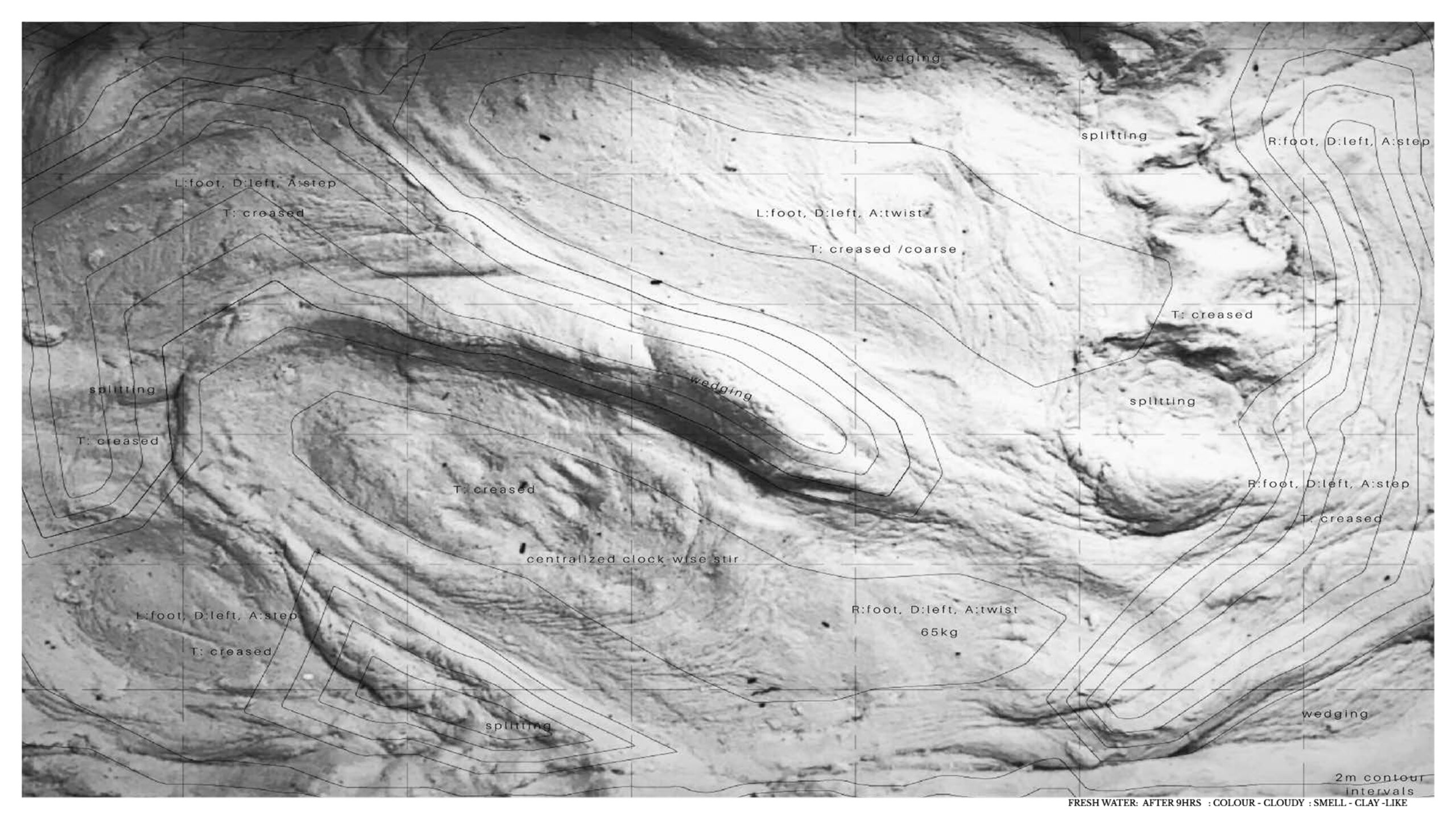
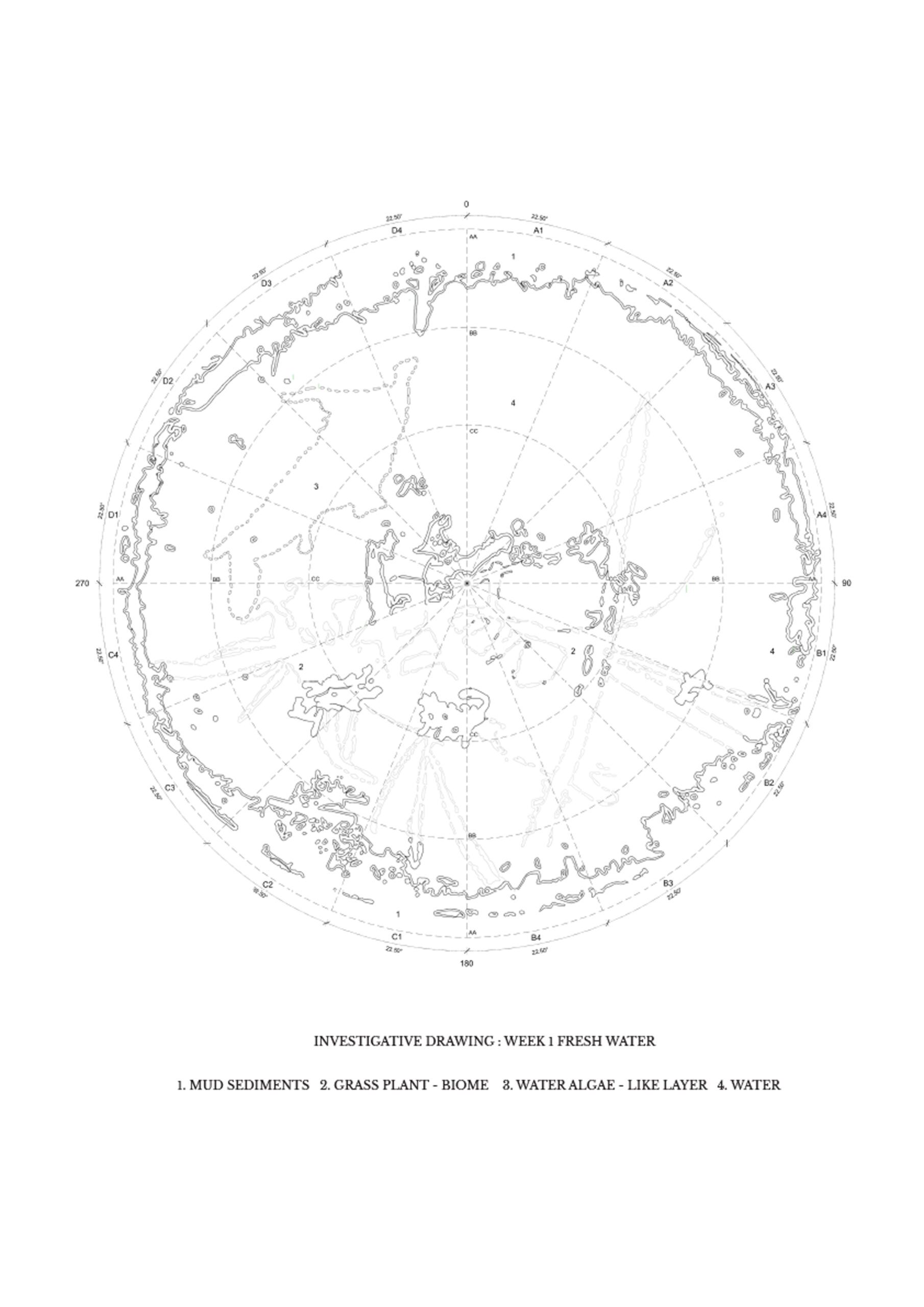
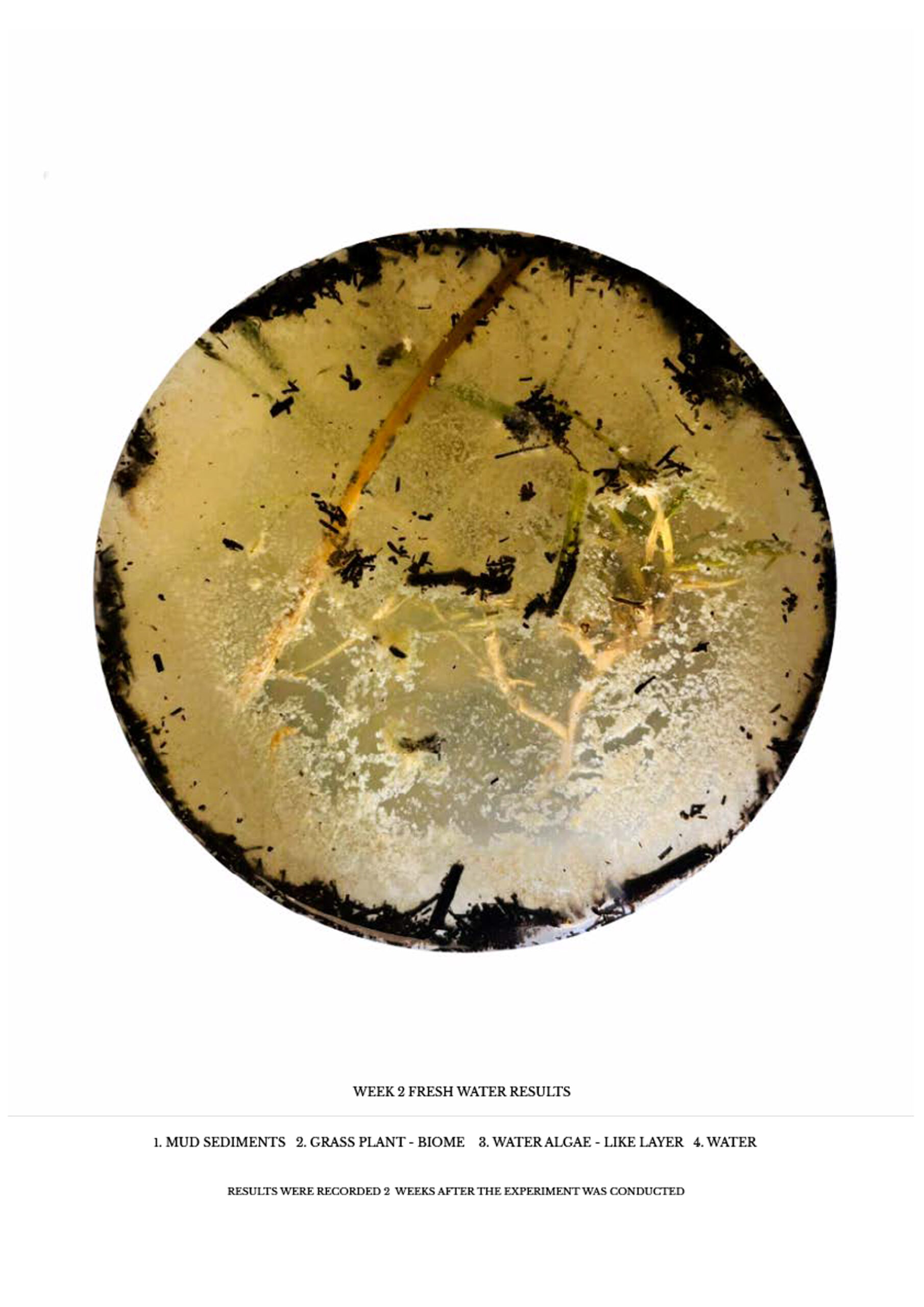
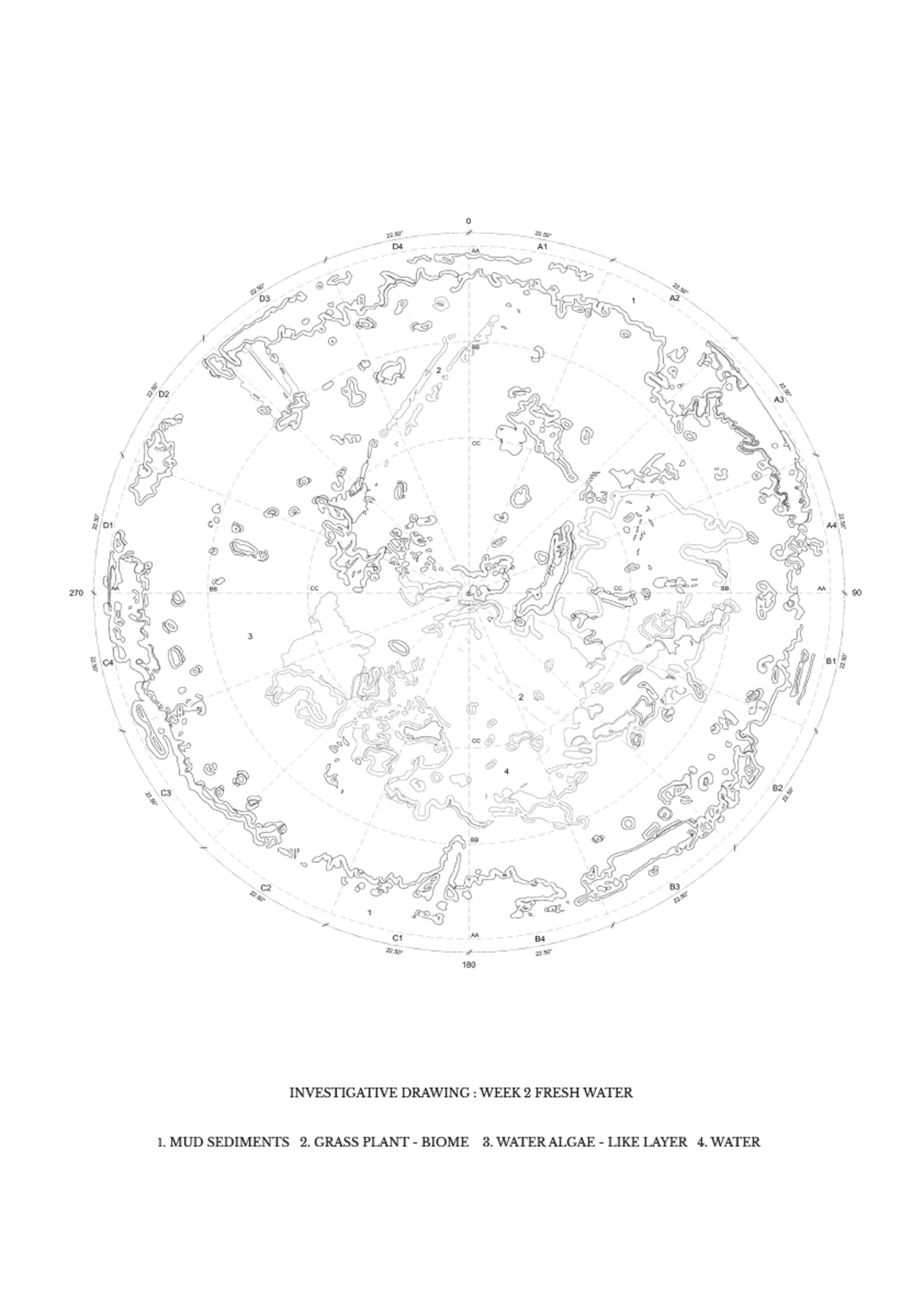
As such, the role of an oceanographer is used to investigate the festival and its connection to the water and the land. Adopting the tools and lens of an oceanographer informs the study of the geographical, biological, chemical, and physical aspects of water by looking at studies around the formation and composition of terrain, plant, and animal life. Various aspects of the estuary were investigated through a series of water experiments and studies. The project proposes alternate futures of the festival through the various typologies used in the regatta. The explored typologies are the bridge, the shoreline, the riverbank, the street, and the homes. These scenes explore and propose a speculation for living on new unstable surfaces at different years leading to the year 2073 by designing new structures that respond the temporality of the landscape.