The Deity of the Water:
Designing a consecrated space that allows the people of KwaNdebele to engage with the body of water
Introduction:
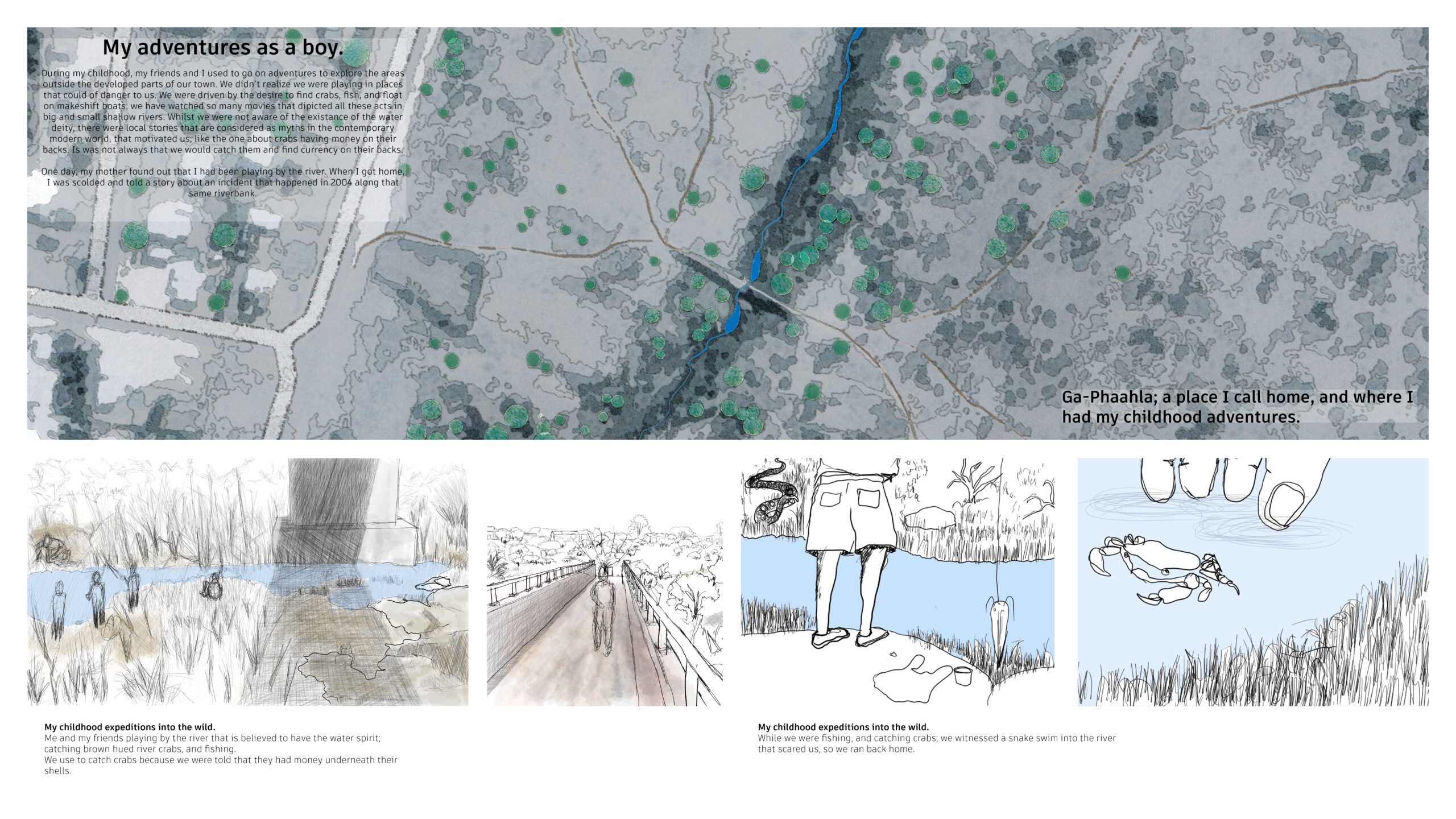
- Childhood Adventures and Spiritual Encounters
- As a child, I embarked on adventures exploring nature with friends, often encountering mysterious and sometimes dangerous environments, believed to be inhabited by spiritual beings.
- An incident in 2004 near the Klipspruit in Vlaklaagte, my hometown, revealed the tragic history of a nearby water body.
- Cultural Significance of Water in Ndebele Culture
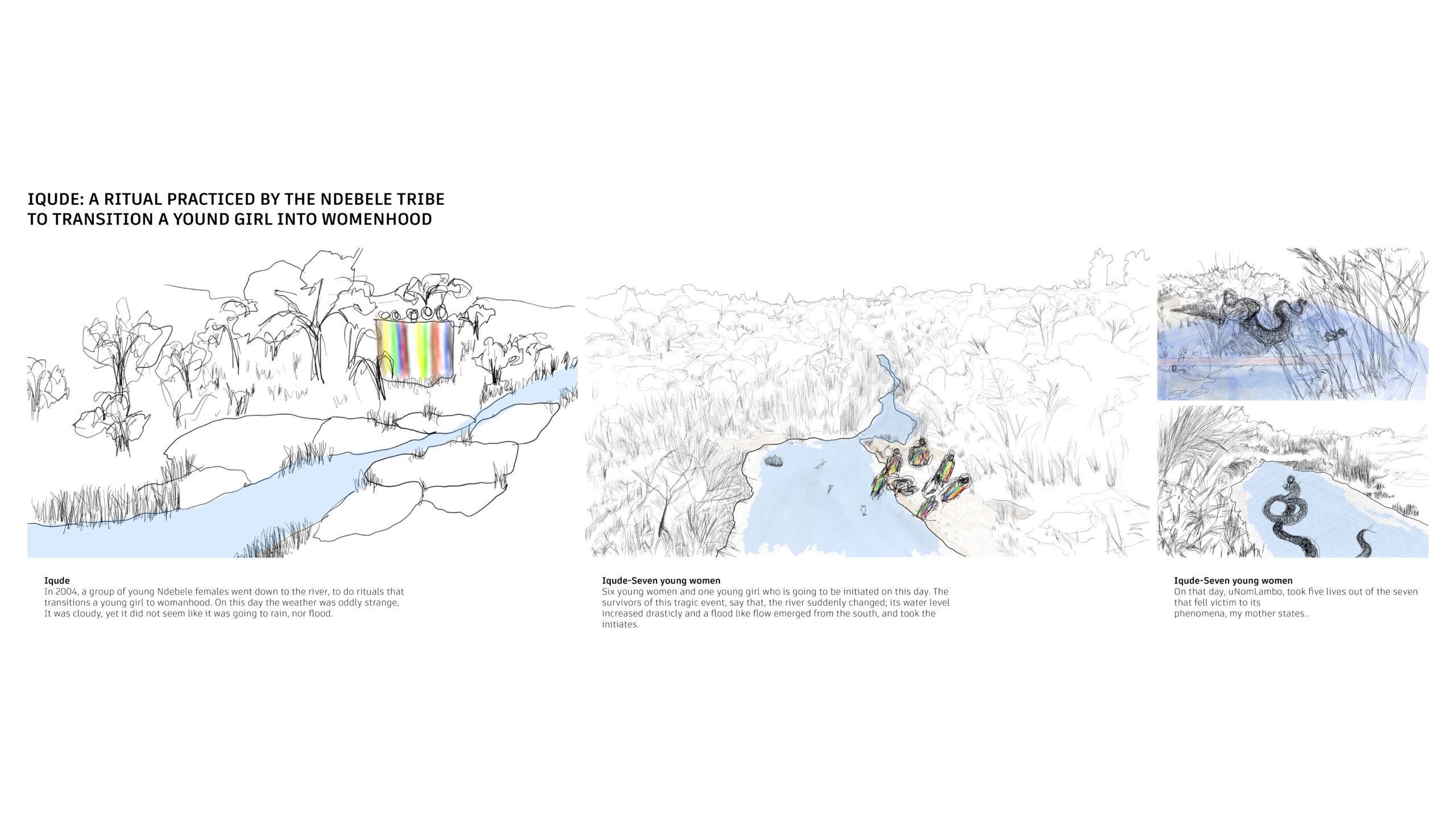
- As a Ndebele, my culture involves traditional ceremonies and rituals conducted at bodies of water for various purposes, including initiation and transition into adulthood.
- In 2004, a sacred “iqude” ceremony near the Klipspruit took a tragic turn when a flash flood, known as “uNomlambo,” claimed the lives of five young women.
Historical Background:
- Vlaklaagte-Een: A Brief History
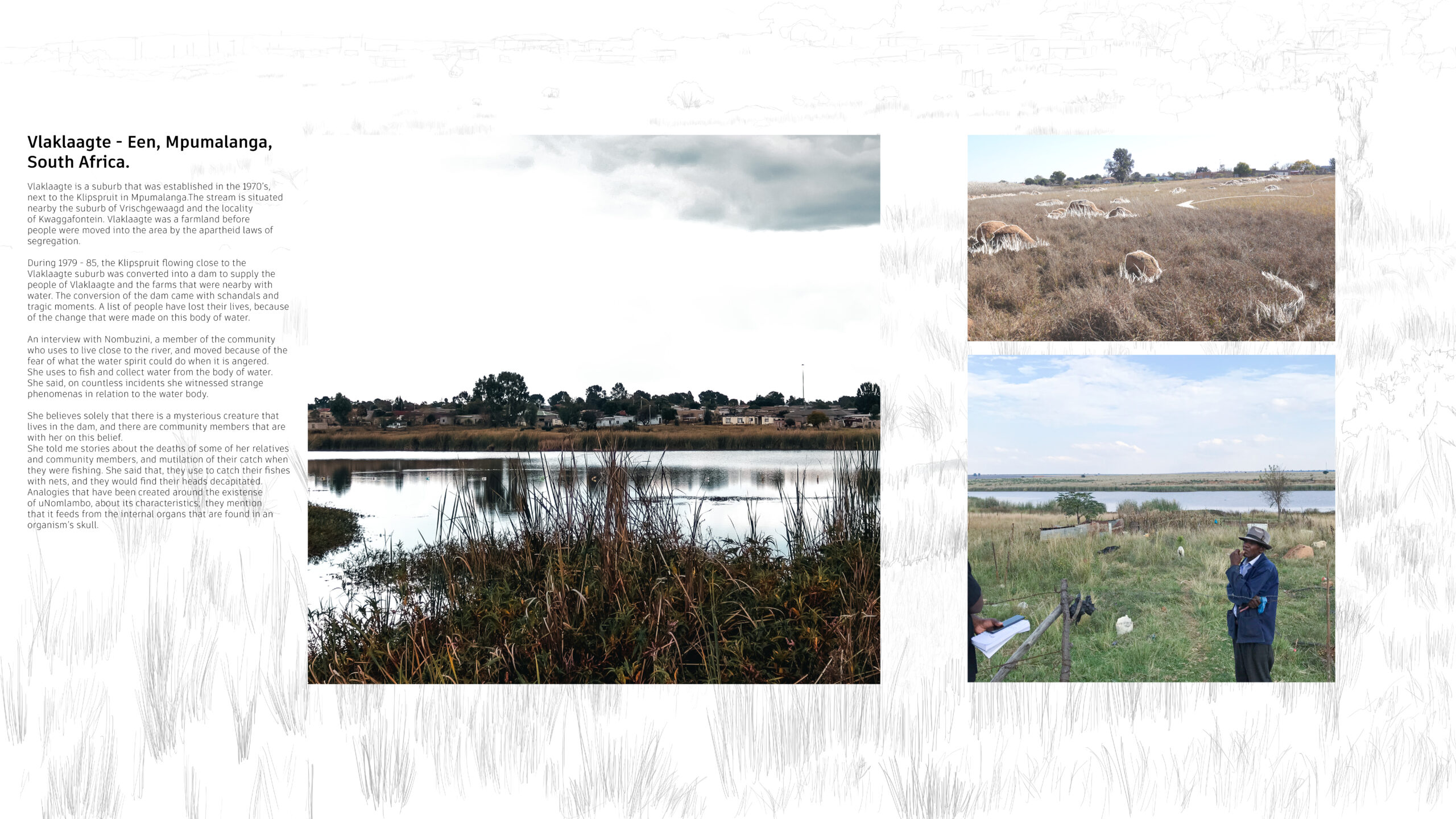
- Vlaklaagte-Een, situated in Mpumalanga, was originally a farmland that underwent transformation into a suburban area in the 1970s, adjacent to the Klipspruit.
- The Klipspruit was converted into a dam between 1979 and 1985 to supply water to Vlaklaagte and nearby farms, a process marred by scandals and tragic incidents.
- Community Insights
- An interview with a community member, Nombuzini, revealed local beliefs in a mysterious water creature inhabiting the dam, leading to fear and caution.
- She recounted stories of relatives and community members losing their lives and witnessing the mutilation of their catches while fishing.
Translating the Project into Architecture:
- The Design Concept
- My project emerges from mythologies, personal experiences, and my connection to water bodies, aiming to alleviate fear and inspire reverence for nature.
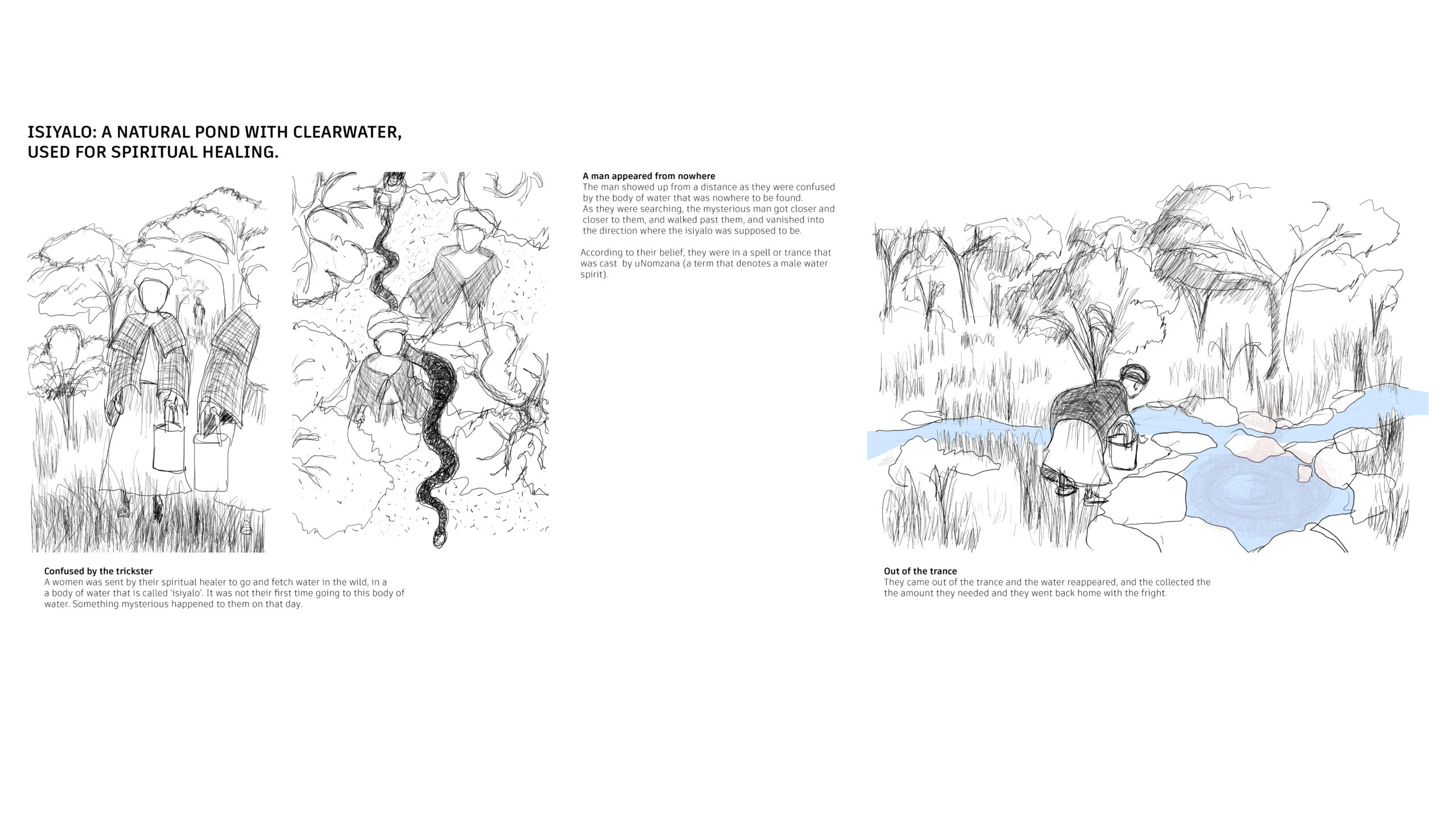
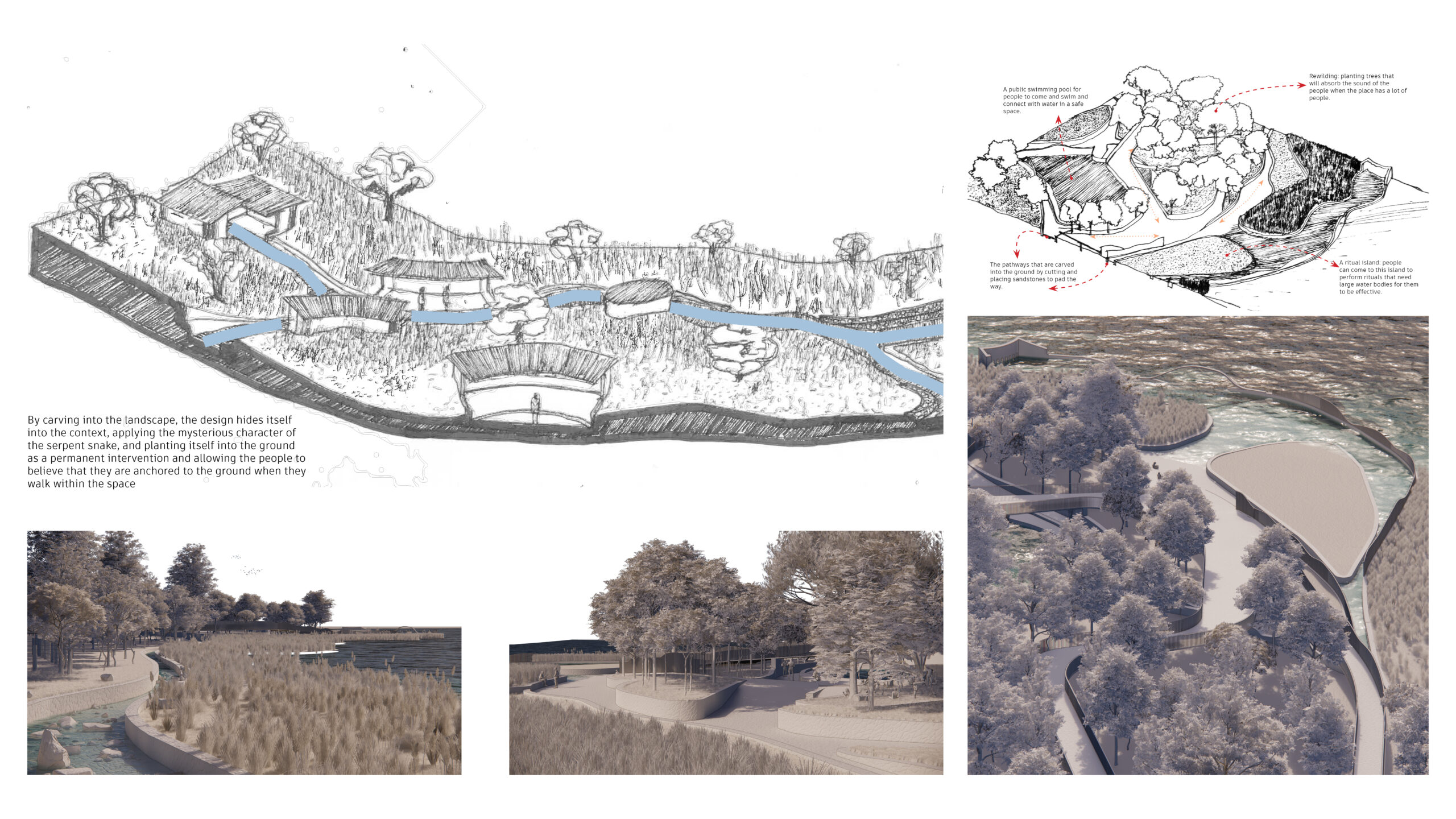
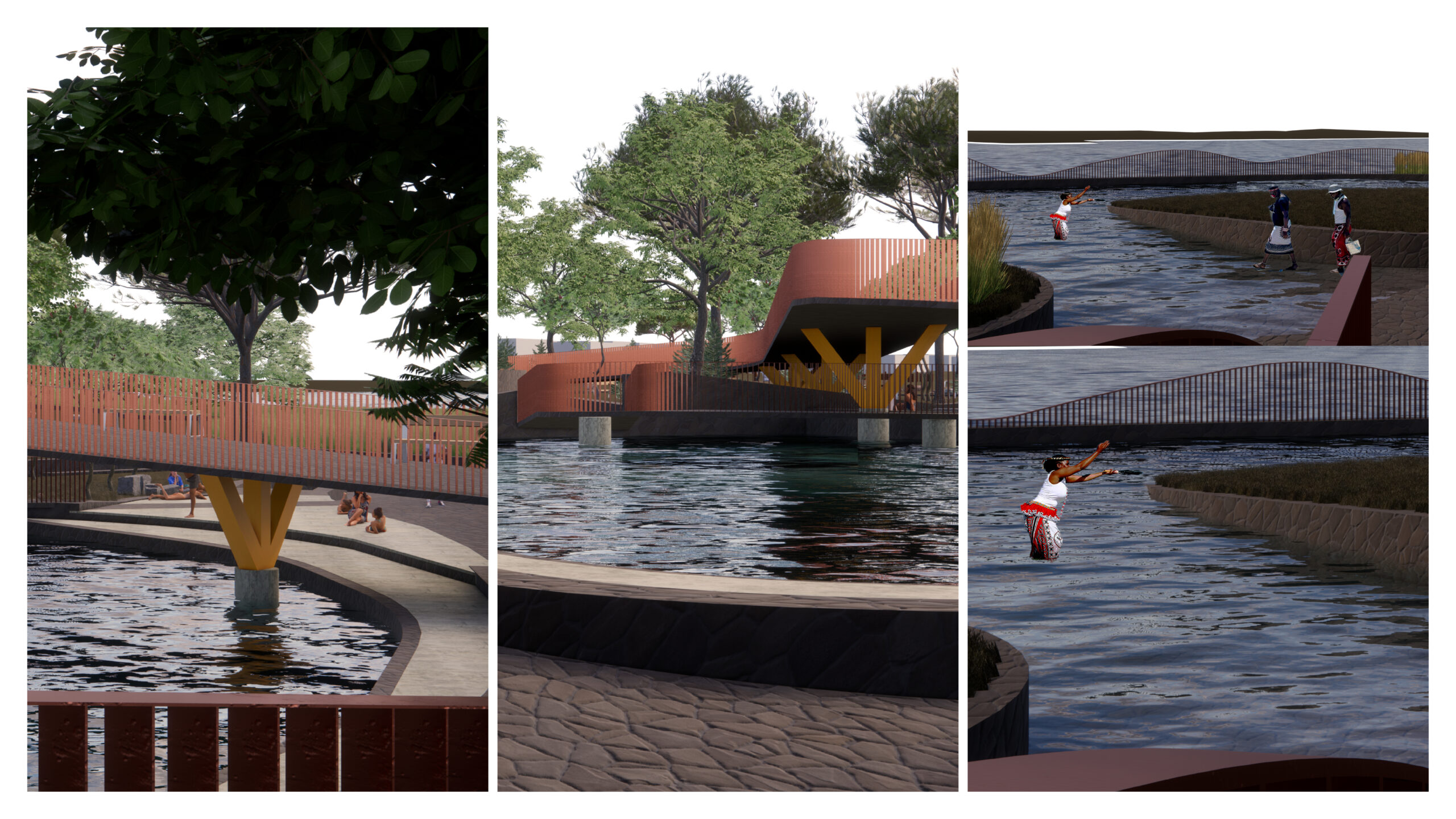
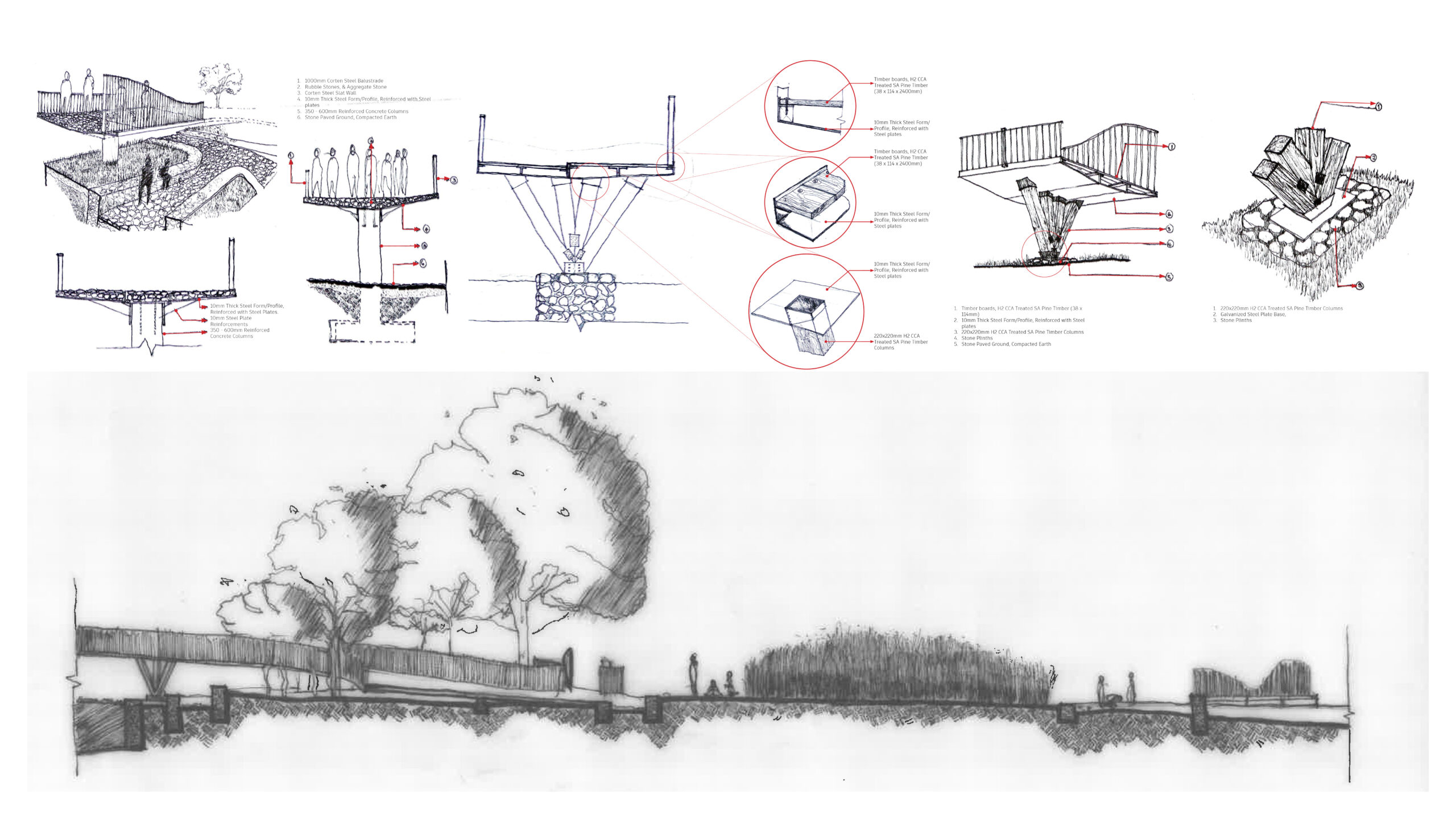
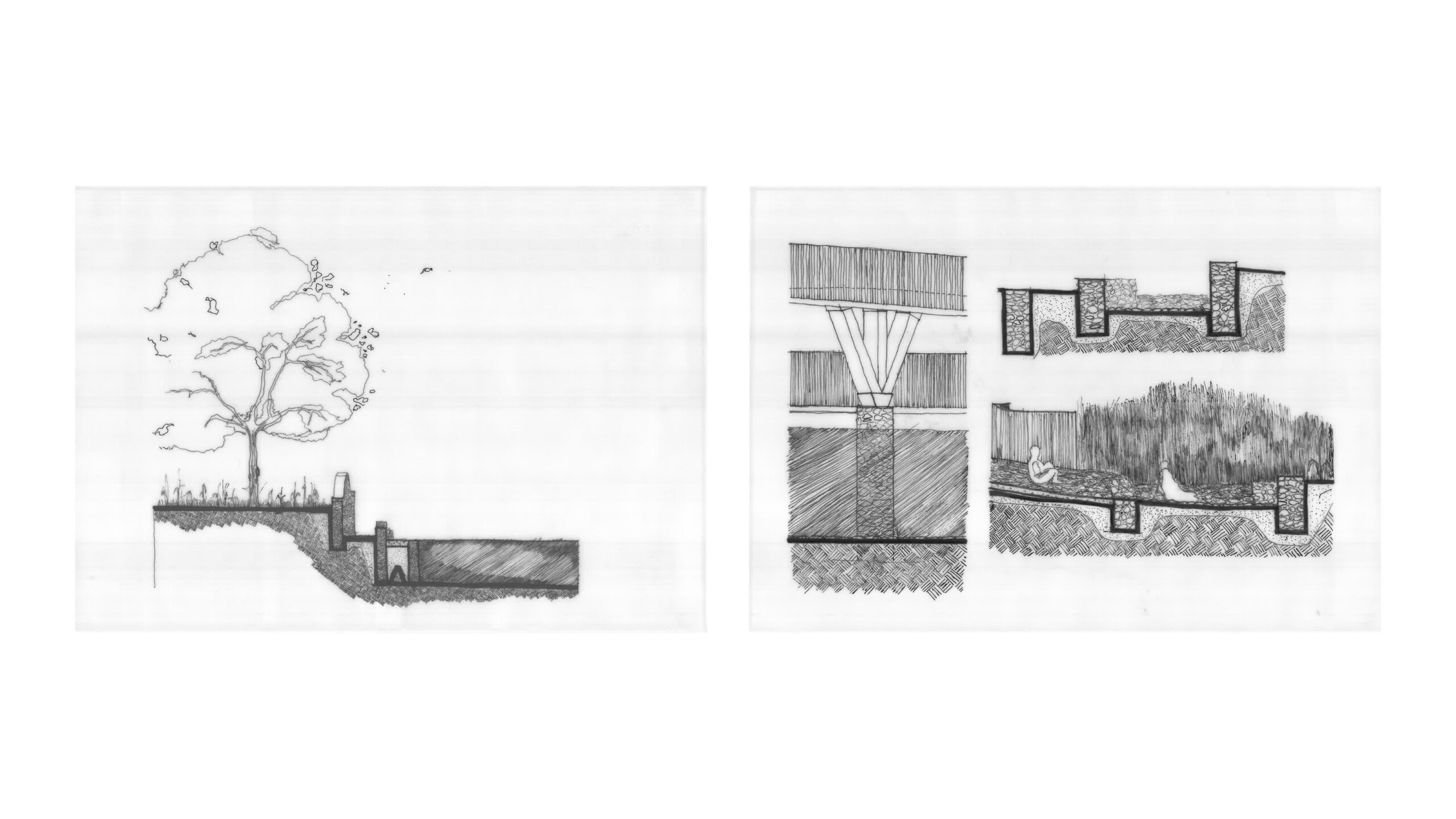
- The design is inspired by the concept of a serpent snake governing water bodies and is a consecrated space for the people of KwaNdebele to engage, perform rituals, and develop a harmonious relationship with the water body in Vlaklaagte-Een.
- Long-term Goals
- The project’s long-term objective is to preserve indigenous African stories by designing spaces that archive our knowledge about the universe and our place within it.
- A unique feature of the design is the use of pathways to mimic the movements of a serpent snake, signifying its active times.
- Concept: Storytelling, Performance, and Grounding
- The project proposes a gateway into water bodies revered by believers in the serpent snake uNomlambo, offering a sacred space for quests to connect with nature and learn the importance of indigenous stories.
In conclusion, “The Deity of the Water” project is not just an architectural endeavor but a cultural and spiritual revival, bridging the gap between myth and modernity. It represents an opportunity to honor and preserve our cultural heritage and foster a respectful and symbiotic relationship between the people of KwaNdebele and the sacred waters of Vlaklaagte-Een. Thank you for your attention.