The Making of The Mother:
Dismantling institutionally complicit architectures towards ethical futures
“The Making of the Mother” explores the concept of institutionalisation through metaphors of a post-partum woman and South Africa. Rooted in personal introspection as a South African Indian Muslim woman, the project focuses on cultural practices like confinement, identifying five institutional tools: Dislocation & Migration, Restriction of Education, Economic Disenfranchisement, Enforcement of Religion, and Rescription of Histories.
To convey the impact of institutionalisation and bias, the project creates toy prototypes for children aged 5 to 10, envisioning them as future designers and decision-makers by 2043. Three prototypes were developed during the study:
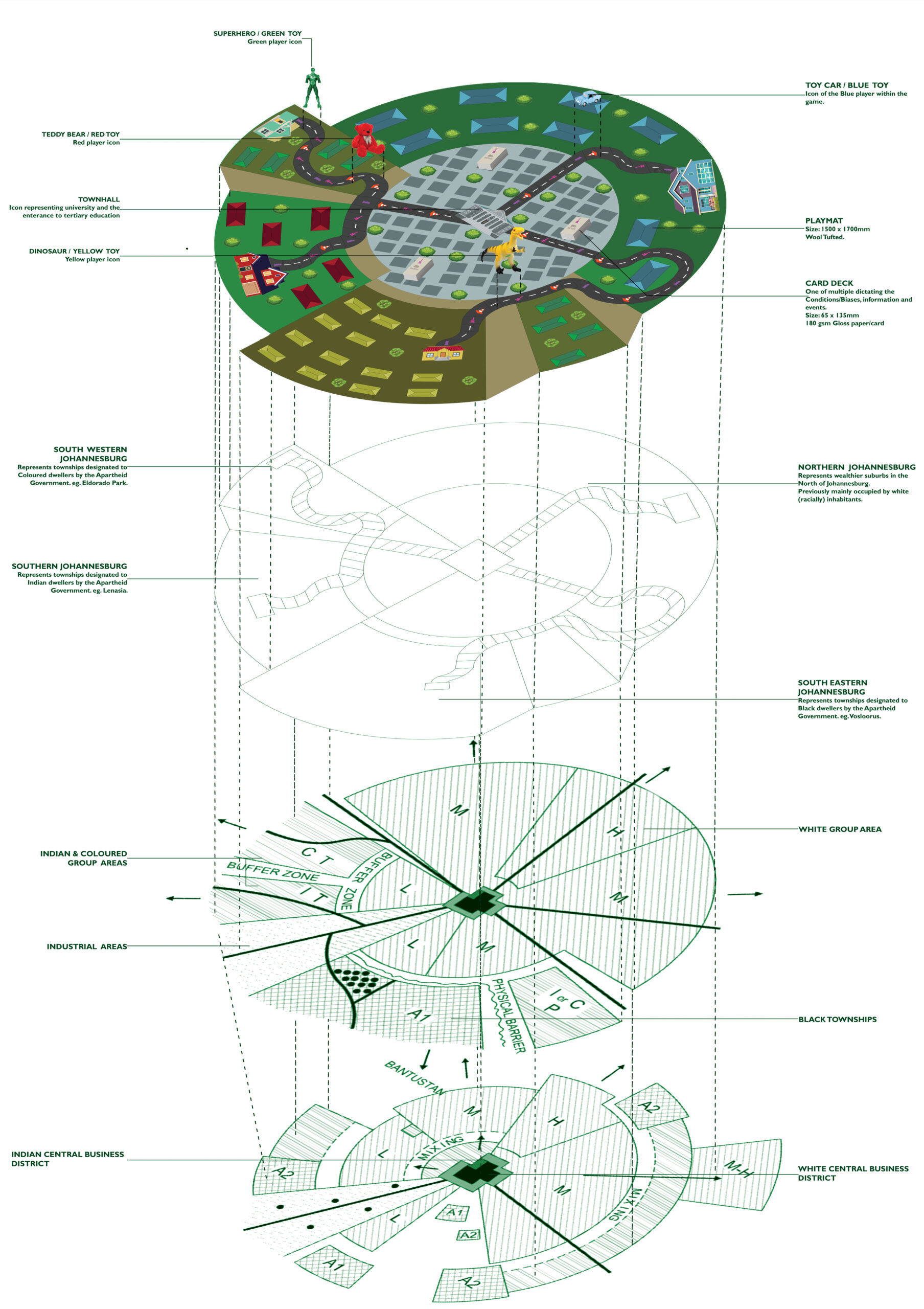
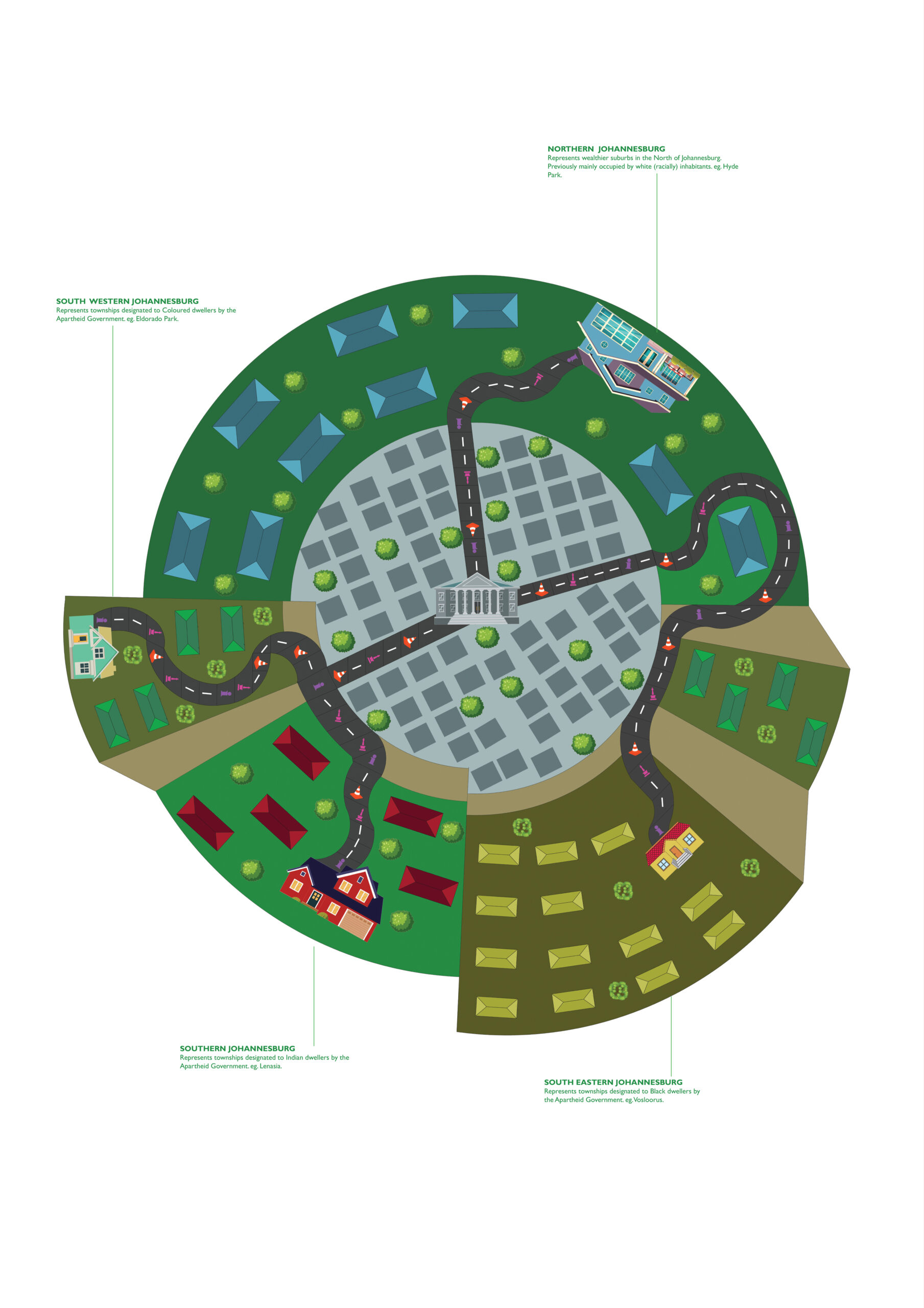
1. “Jozi!” – A game addressing Restriction of Education and Enforcement of Religion through Apartheid-era legislations. Players navigate challenges based on biases and legislative restrictions to reach a town hall symbolising access to tertiary education and opportunities.
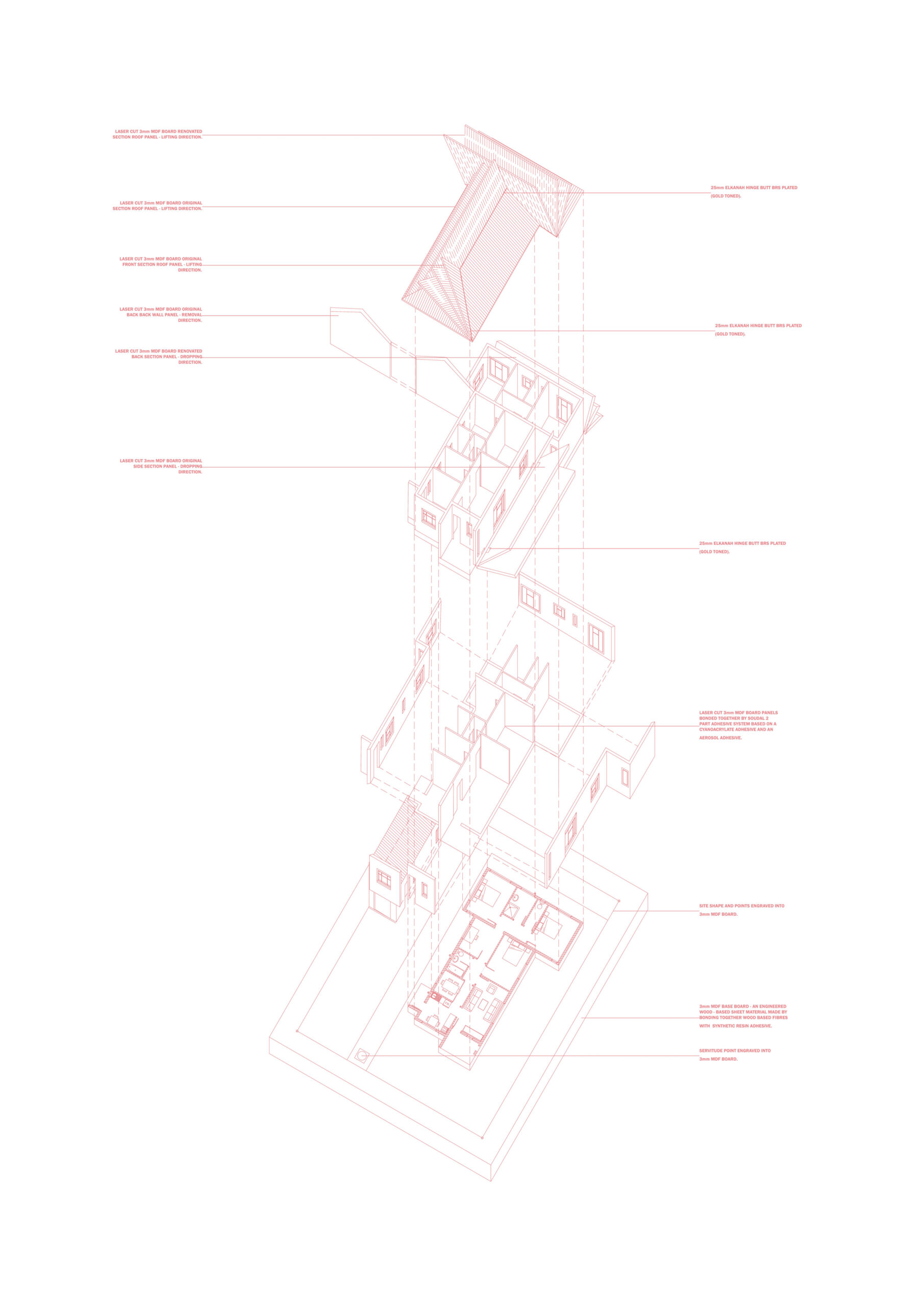
2. “Home Economics -The Dollhouse” – Explores Dislocation & Migration and Economic Disenfranchisement through housing typologies under the Group Areas Act. This allows understanding of spatial planning and adaptations within allocated homes.
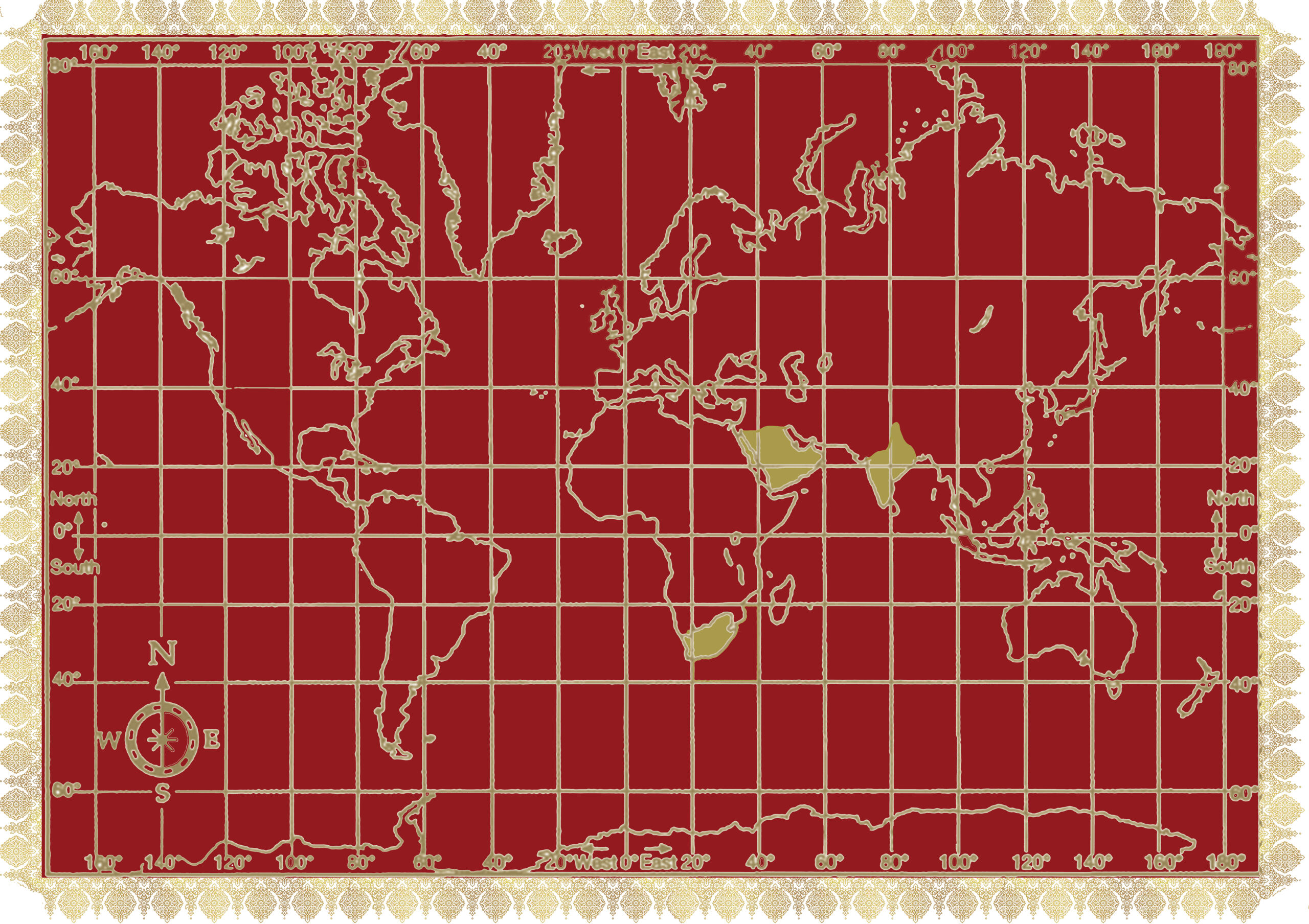
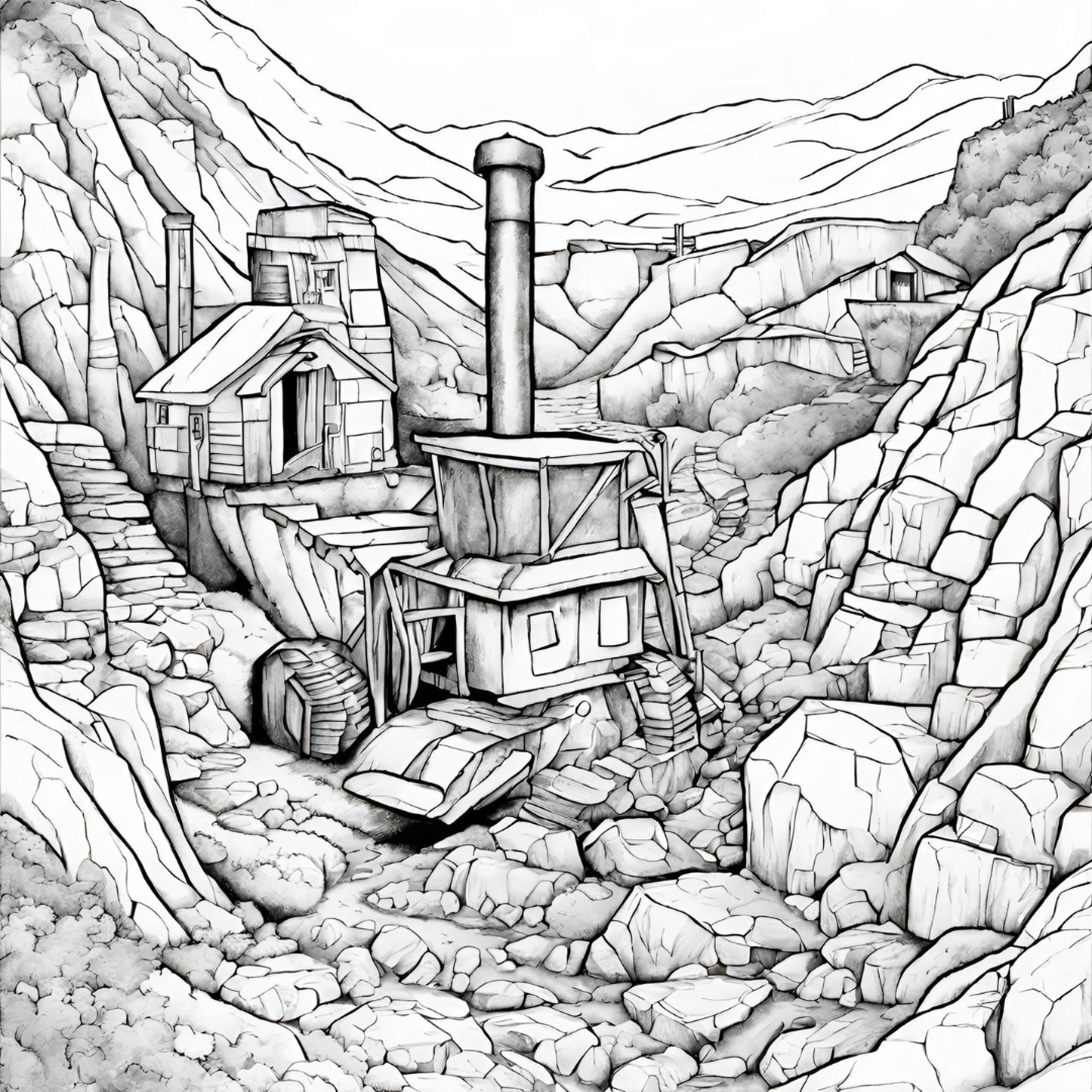
3. A prototype addressing Rescription of History – tackles the colonial tool shaping perception and garnering support for the system. Additionally, a series of coloring books titled “The City of Tales” narrates Johannesburg’s story through three perspectives, fostering an understanding of the city’s foundation through collaborative narratives.
Through these toy prototypes, the project aims to provide a formative understanding of South Africa’s environment and historical context. By empowering future spatial planners and decision-makers, it seeks to instill the ability to recognize, question, and potentially alter biased institutional frameworks from their formative years, fostering a positive impact on the future. Additionally, these toys are framed as prototypes to test and evaluate these historical biases to further inform the practices and legislations with long-lasting spatial impact. These become valuable tools for spatial agents and policy makers.