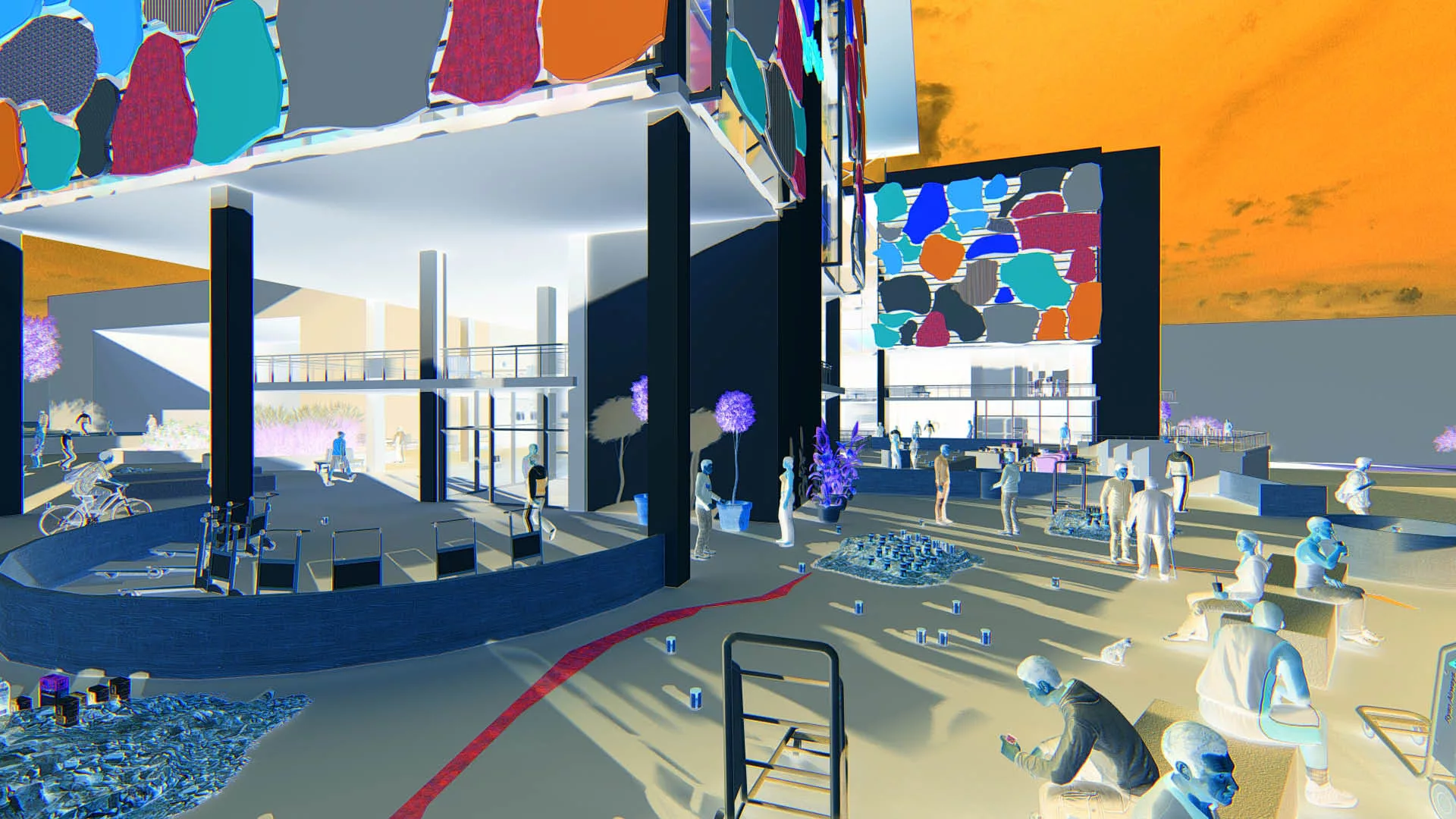
Urban Fabric: Defining the New Tapestry of Rosebank Through the Lenses of Social Inequality
My project is based on defining the new tapestry of Rosebank through the lenses of social inequality. As social segregation continues to fold into our rapidly growing cities. The question here is:
How do we bridge the between social hierarchies????
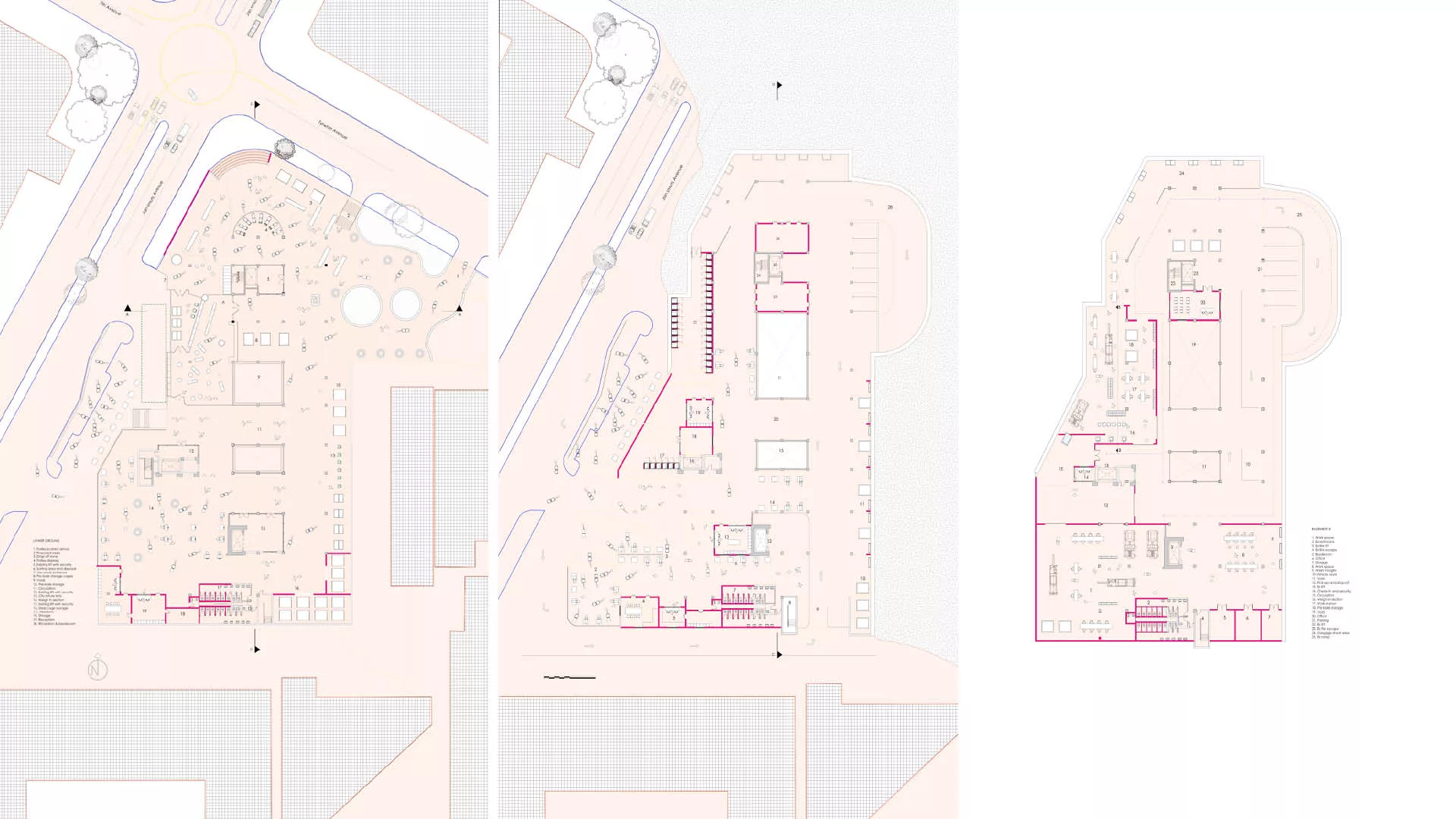
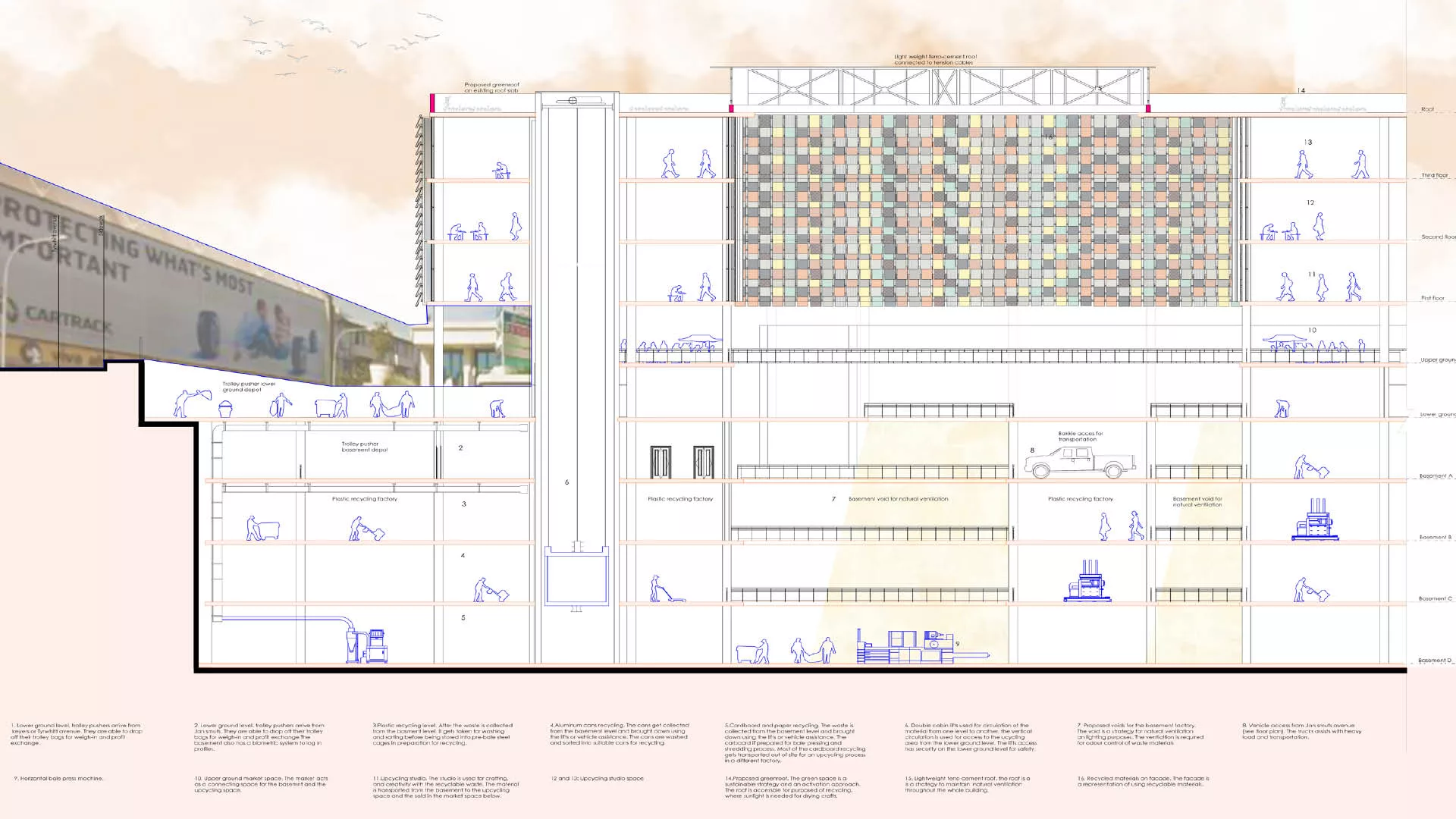
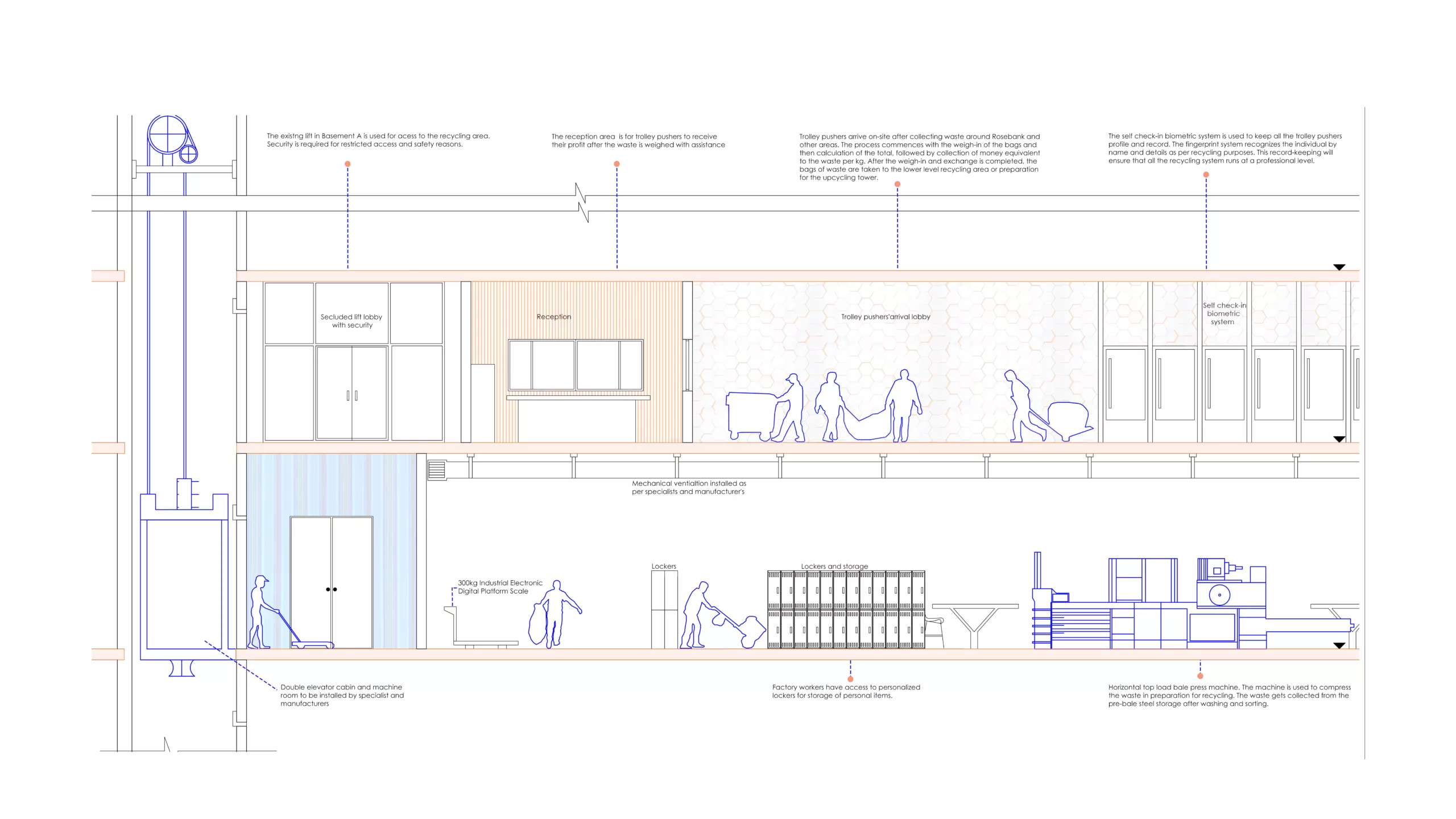
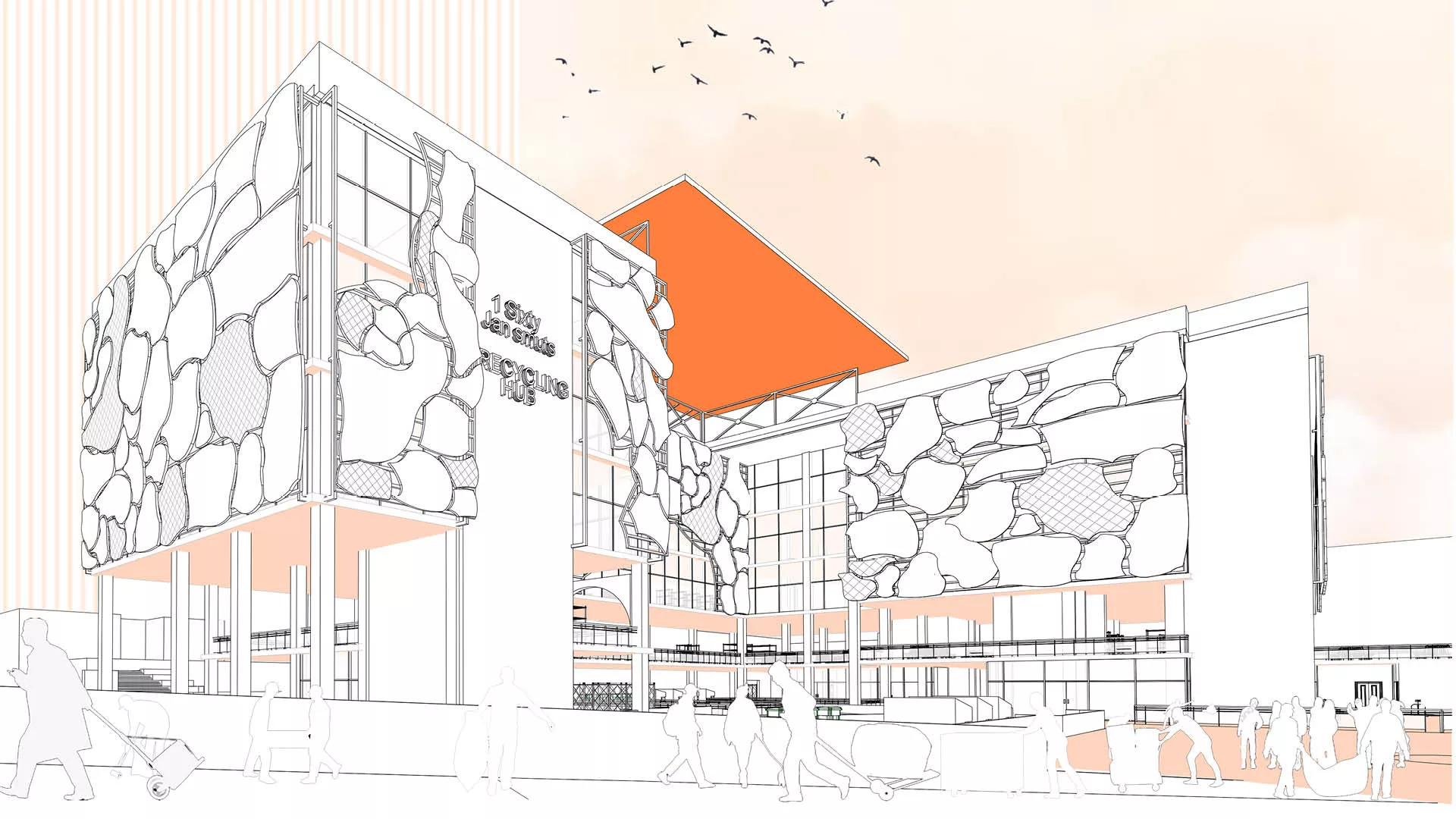
My proposal seeks to revive the existing plaza into a multi-purpose park that celebrates the role of trolley pushers inclusive of a program that caters for a waste management factory. The site has an existing waste area which is not accessible to the trolley pushers. The intervention will create a route for the trolley pushers to access the waste area, additionally, designate a storage area for the trolleys. They are known as “Trolley pushers”, however, they each have an identity or purpose for their day-to-day job. To navigate my proposal towards a green and sustainable approach, I intend to include sustainable materials and the idea of green spaces to enhance the park’s sustainability. I will investigate unusual ways of using recyclable materials and a composition of an existing material such as concrete to transform our buildings and spaces, these include paper, plastic, glass, and aluminium.
The depth of my research goes into a pedagogy of balancing the user experience of the Rosebank City. I aim to bridge the gap of hierarchies, primarily focusing on the users of Rosebank, distinctively accommodating for pedestrians in the city. Research conducted by Tanya Zack (2019) on urban development in the inner city of Johannesburg, where multifaceted interventions is a requirement, she states that urban inequality, infers the idea behind the social segregation, especially for an area like Rosebank, developed into a city that is in rapid transformation. The informal economy serves a backdrop whereas it plays a crucial role to the urban development sector of South Africa. Our focus has deviated from the trolley pushers being recognized to completely ignored. The researchers (Marias, 2016; Robson, 2016 and Staden, 2016), have proven that an urban waste reclaimer “Trolley pusher” contributes to the informal economy by means of survival, hence this study aims to raise awareness and shed light on the trolley pushers playing a significant role in the Johannesburg economy and socio-spatial transformation.
According to Janke Tolmay (2019), statistics reveal that “Waste reclaimers” known as trolley pushers, collect around 80% – 90% of post-consumer packaging and paper recycling, assisting the municipality to save up R750 million rand in landfill space each year. Statistically, South Africa is running out of landfill waste and the reclaimers play a significant role in sorting out the waste accordingly. In terms of collecting the waste, the individuals find the items by operating on the streets, looking through bins and landfills.