The Water Filtration Tower
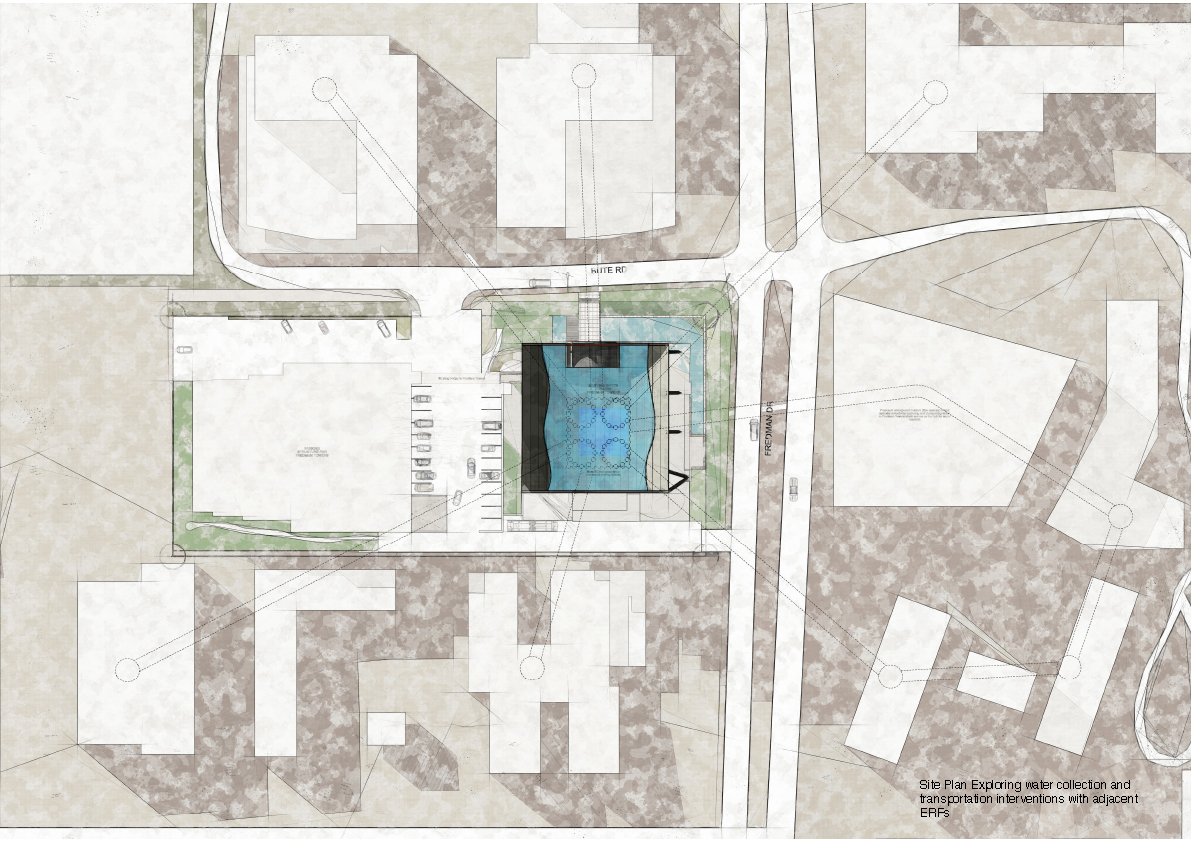
The project explores the critical issue of water infrastructure in Sandton City, South Africa, and its broader implications for societal well-being and environmental sustainability. The research focuses on Fredman Towers as a case study, proposing a transformation of existing urban structures into beacons for water sustainability.
The project begins by emphasising water’s fundamental role in human life and community development, citing historical settlements’ dependence on water sources. It delves into Sandton’s history, revealing a connection between iron and water dating back centuries. The topography of the Witwatersrand watershed is explored, suggesting Sandton’s potential as a self-sustaining water catchment and filtration hub.
The discussion turns to ancient aqueduct systems and their adaptability, drawing parallels to modern water transportation challenges in South Africa. Population growth and urban expansion, particularly in Johannesburg, raise concerns about the strain on the Vaal Dam, the region’s primary water source. Infrastructure inefficiencies, including significant water losses due to leaks, further exacerbate the water crisis.
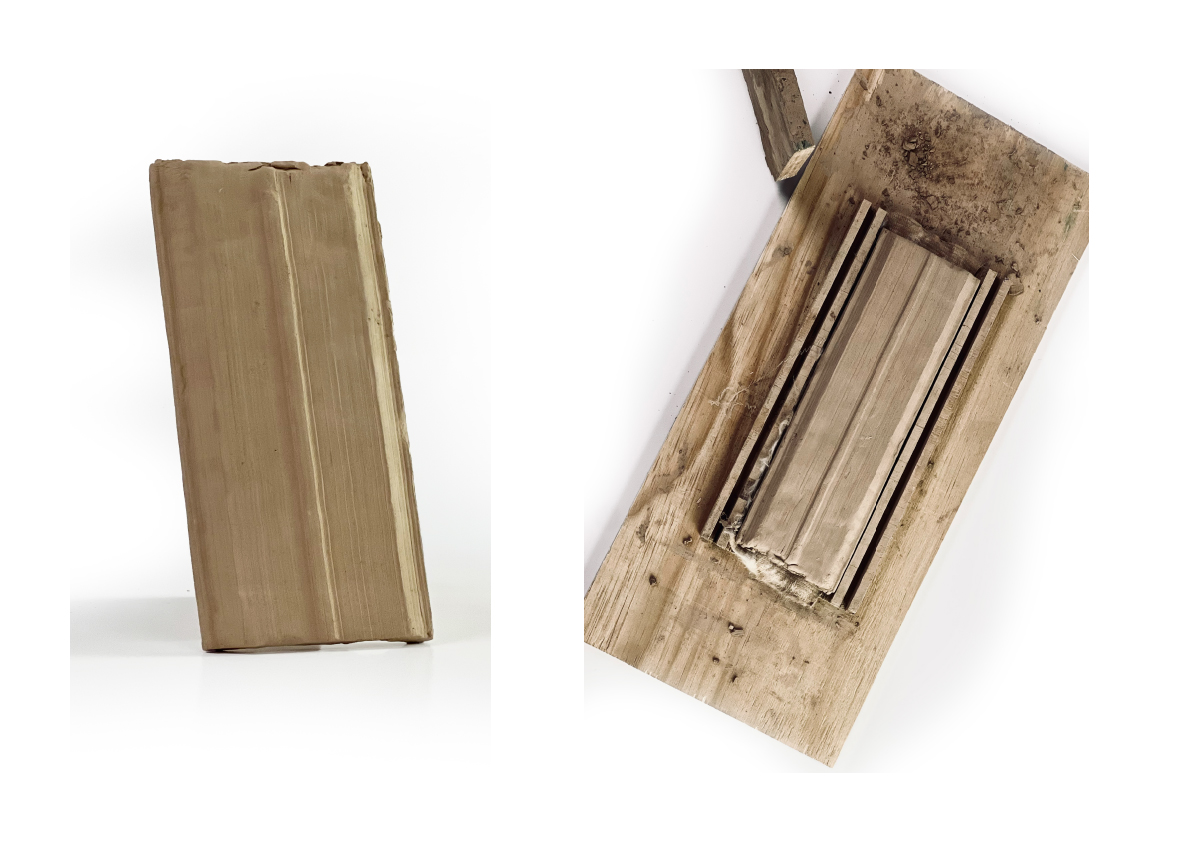
The project draws on archaeological findings of pottery fragments in Sandton to advocate for incorporating traditional water harvesting practices into contemporary urban design. It underscores the impact of climate change on water availability, emphasizing the need for adaptable and sustainable water infrastructure.
The significance of water scarcity is highlighted, with projections of severe shortages by 2025, posing a threat to South Africa’s agricultural exports and economic stability. The project contends that architectural proposals must prioritize water conservation, considering buildings as mechanisms to rectify environmental wrongs.
The proposed solution focuses on Fredman Towers, envisioning it as a symbol of sustainability. The project suggests that public awareness of water scarcity should be heightened by making building wet services visible and educative. Beyond this specific site, the project envisions a broader shift in social infrastructure, where the public actively engages in rainwater harvesting and water transportation, influencing both social behaviours and urban planning.
The project concludes with a call for a collective and holistic approach to water management, urging a fundamental shift in perspective towards viewing water as sacred. It emphasizes the interconnectedness of individual choices, corporate practices, and national policies in shaping a sustainable water future.
In summary, the project advocates for a paradigm shift in water management, with Fredman Towers as a potential catalyst for sustainable urban development, prompting a collective responsibility to safeguard water resources for future generations.