The Sanctity of Water:
The implementation of infrastructures within sacred land as a way of preserving African practices along the Jukskei River
The architectural project titled “The Sanctity of Water” is a comprehensive exploration of the significance of rituals and religious practices along riverbanks, particularly in the urbanized context of Johannesburg. The work is prompted by the personal experience of losing a loved one, the project traces a two-day funeral journey from Mthatha to Bizana, emphasizing the importance of spaces, especially bodies of water, deemed sacred for burial and cleansing rituals.
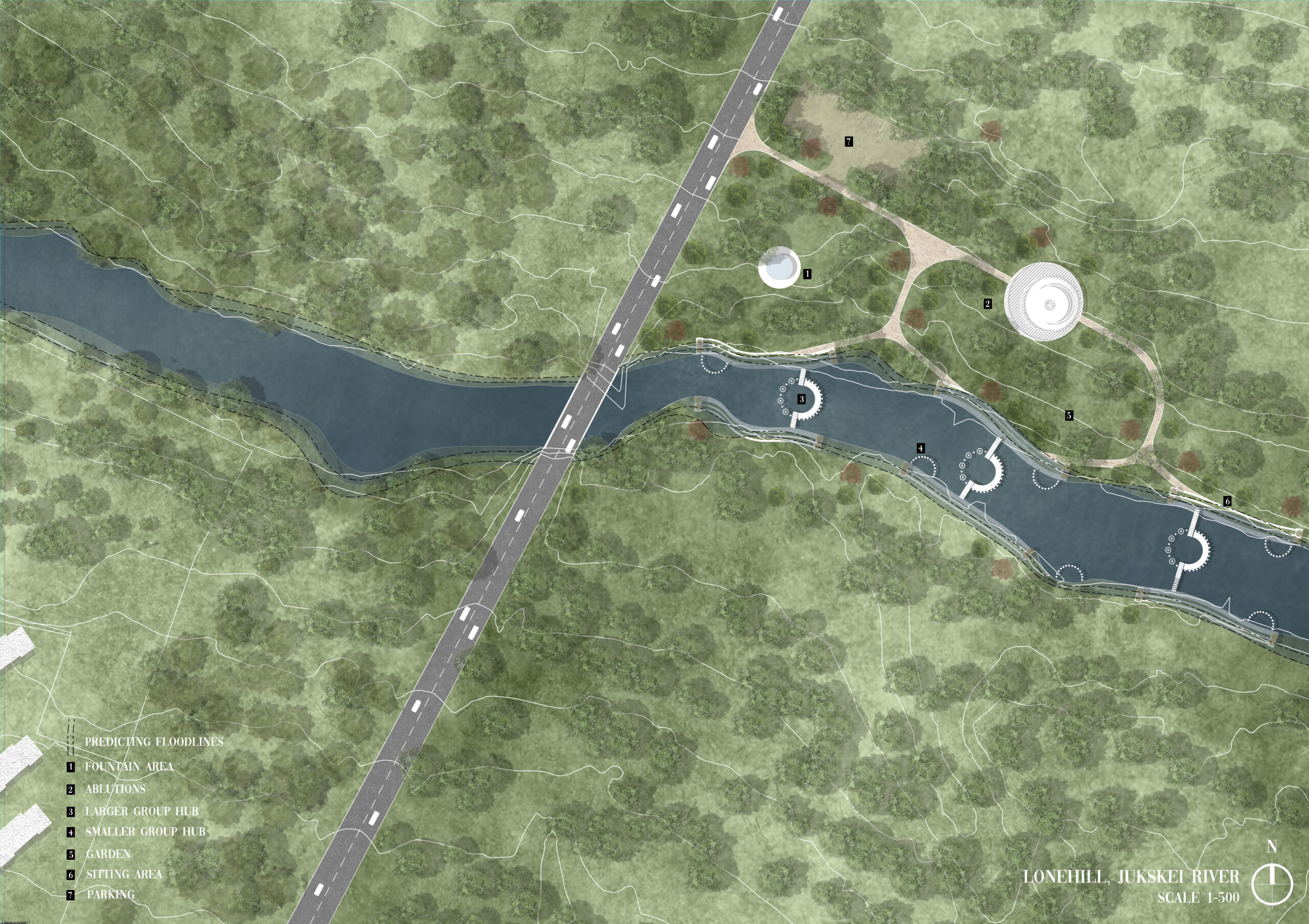
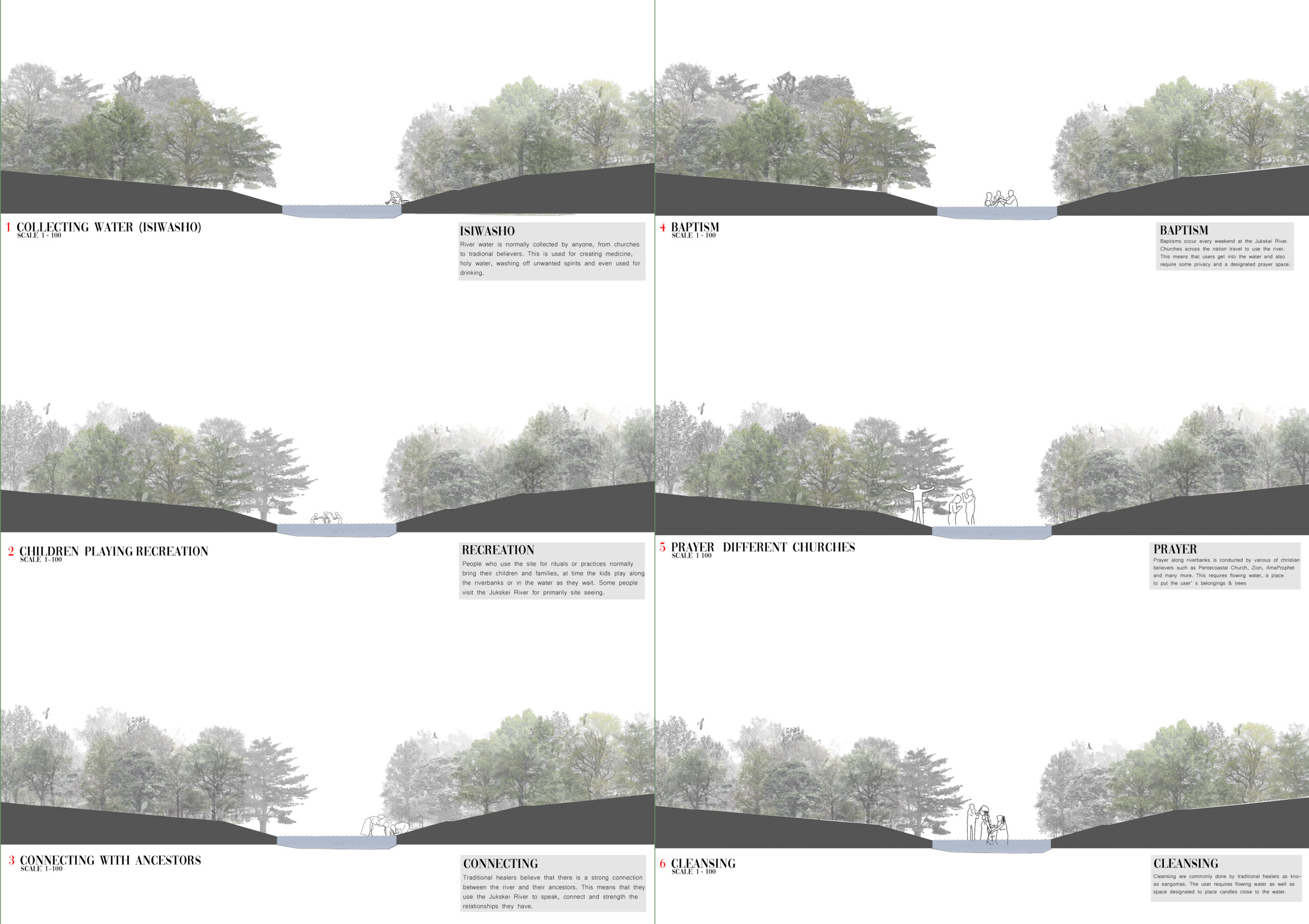


The work looks into ritual practicing along spaces in the context of Johannesburg, specifically the Jukskei River, where the student conducts meticulous research and site analysis. The project grounds itself in Lonehill, Sandton, and identifies six distinct users of the Jukskei River, ranging from different churches to traditional healers, and examines the challenges they face, including safety concerns and water quality issues. The research extends to a climate and ecological study, evaluating turbidity, pH levels, and E. Coli in the Jukskei River, ultimately revealing its unsuitability for certain practices due to health hazards and potential flooding.
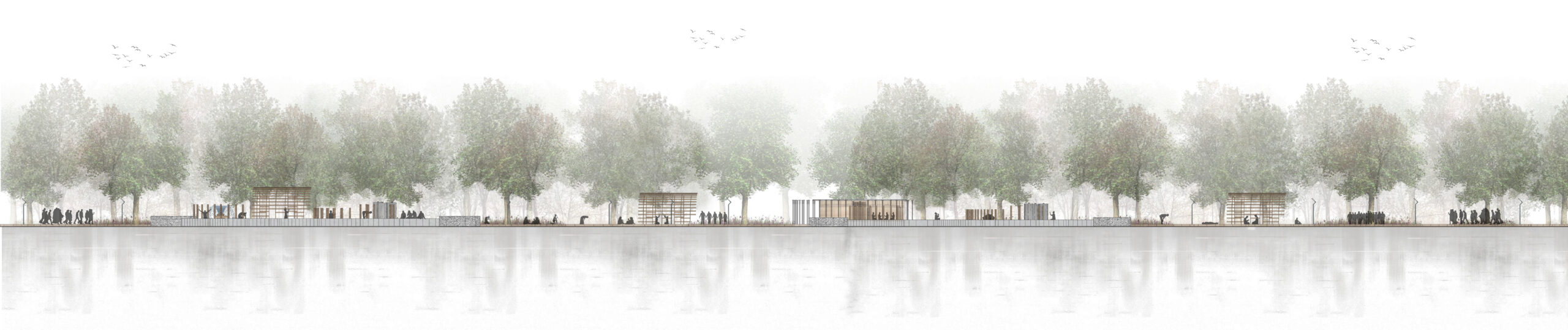
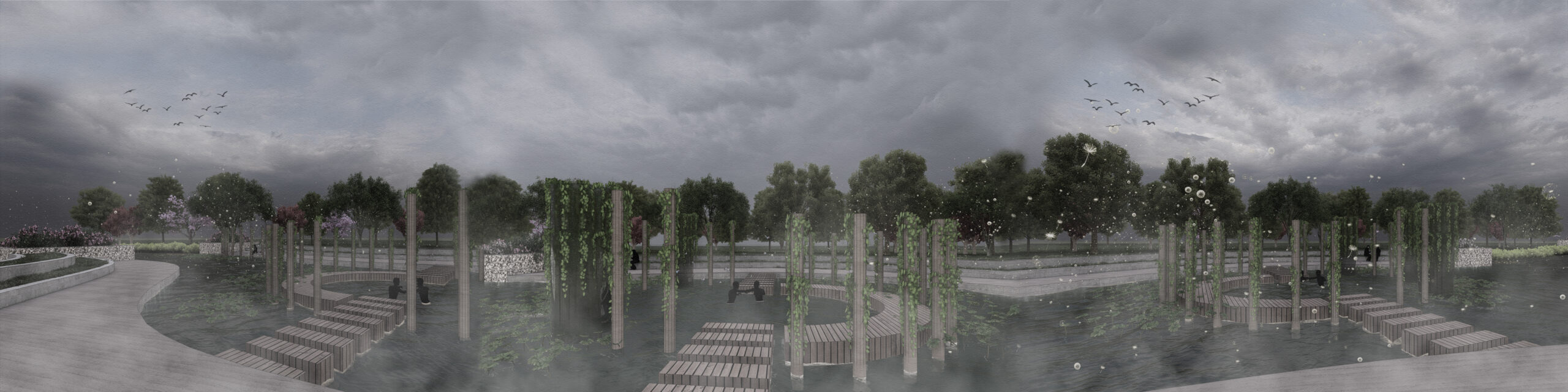
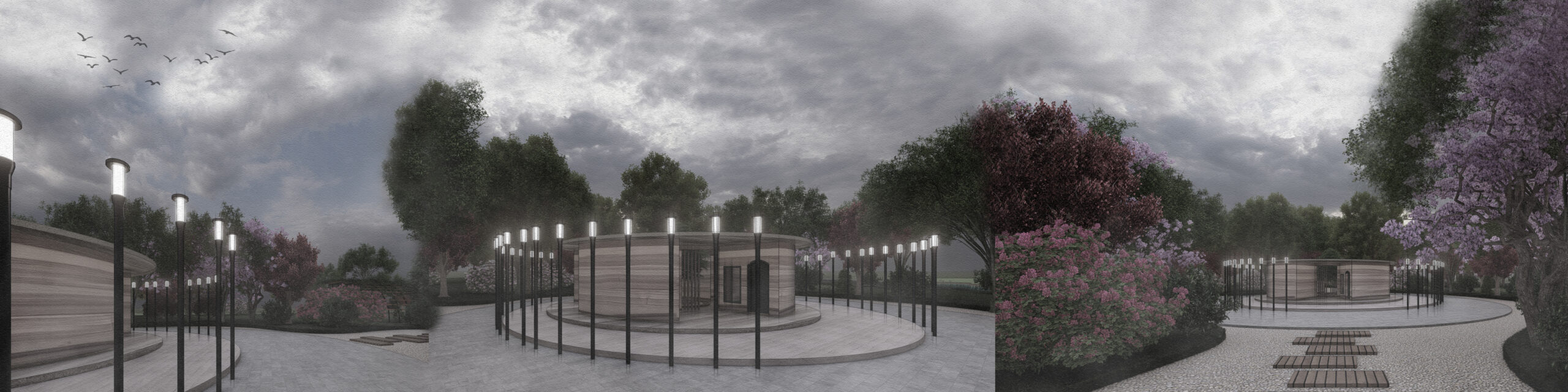
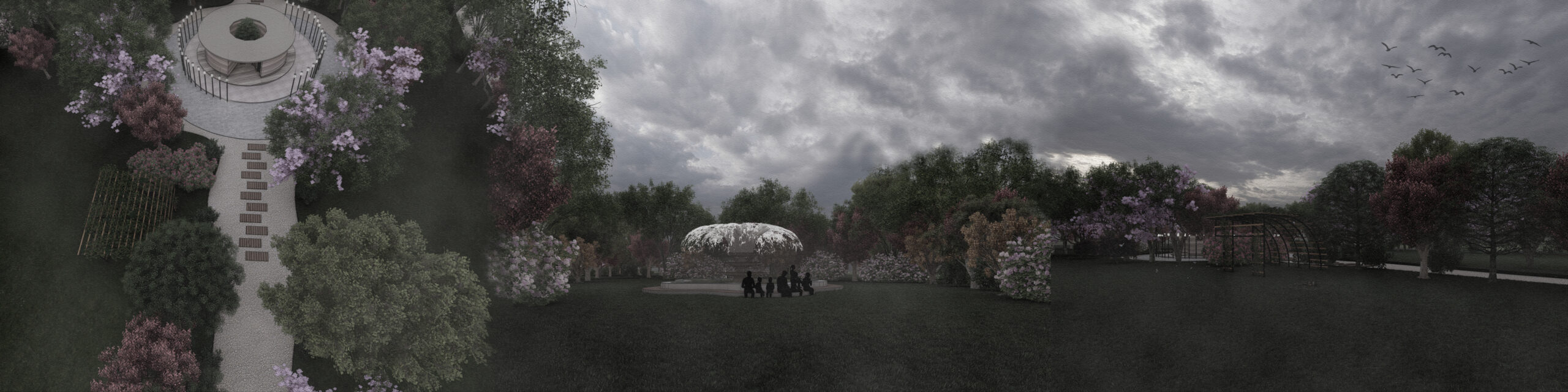
The work explores precedent studies, drawing inspiration from Morphogenesis and the Motouleng Caves, while also incorporating South African vernacular architectural elements. The official proposition introduces spiritual hubs along the Jukskei River, utilizing natural materials and organic shapes to enhance the sacredness of the site. The proposal includes embankments for seating, spiritual gardens with indigenous plants, and a multifunctional ablution facility. This concludes with a detailed master plan, layout interventions, sections, details, and renders emphasizing the project’s responsiveness to the site, context, and users.
The project is envisioned as a future space that promotes interactions, preserves culture, and enhances spiritual and religious practices along riverbanks in urbanized areas. In essence, “The Sanctity of Water” serves as an architectural tool for preserving heritage, fostering spirituality, and bridging the gap for believers seeking designated spaces in urban environments.