Sustainable Growth in Cosmo City
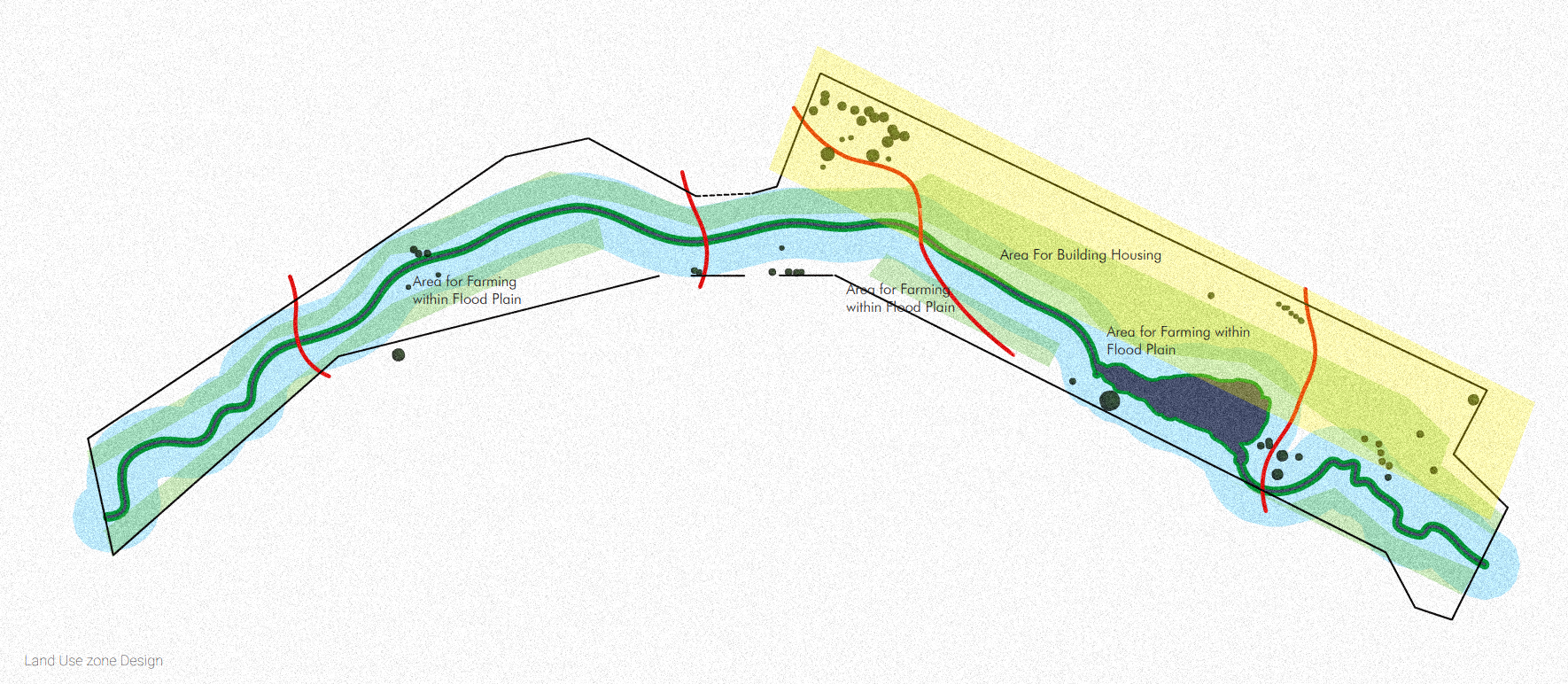
My project examines Cosmo City, a post-apartheid housing development in the heart of Johannesburg. In particular, I studied the housing phenomenon known as ‘backyarding’ and informal farming practices. My analysis extends from the urban landscape down to the intricacies of the backroom itself. Additionally, my project proposes an incremental approach to housing development, centring the project around a wetland remediation initiative.
The history of Cosmo City is a testament to South Africa’s post-apartheid urban development initiatives. It was initially conceived as a response to the housing crisis, providing a solution to the shortage of homes for the city’s working-class and previously disadvantaged residents. Backyarding refers to a housing phenomenon where multiple families or individuals live on a single residential property or in the backyard of an existing home. These secondary dwellings are typically small, lack proper sanitation facilities, and might not comply with municipal regulations. Despite these challenges, backyarding is a prevalent housing solution in many South African townships, including Cosmo City, where housing shortages and affordability issues persist
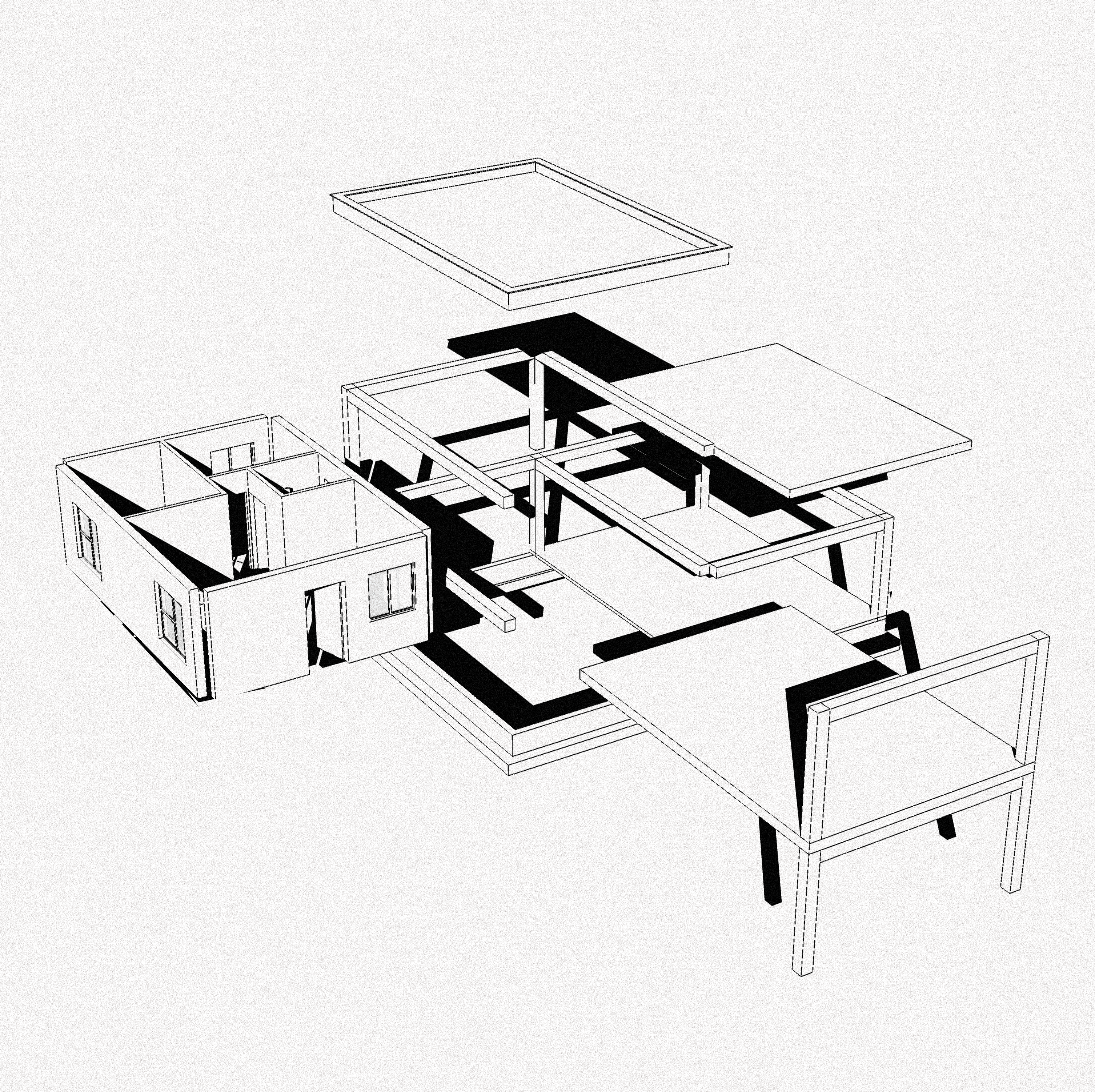
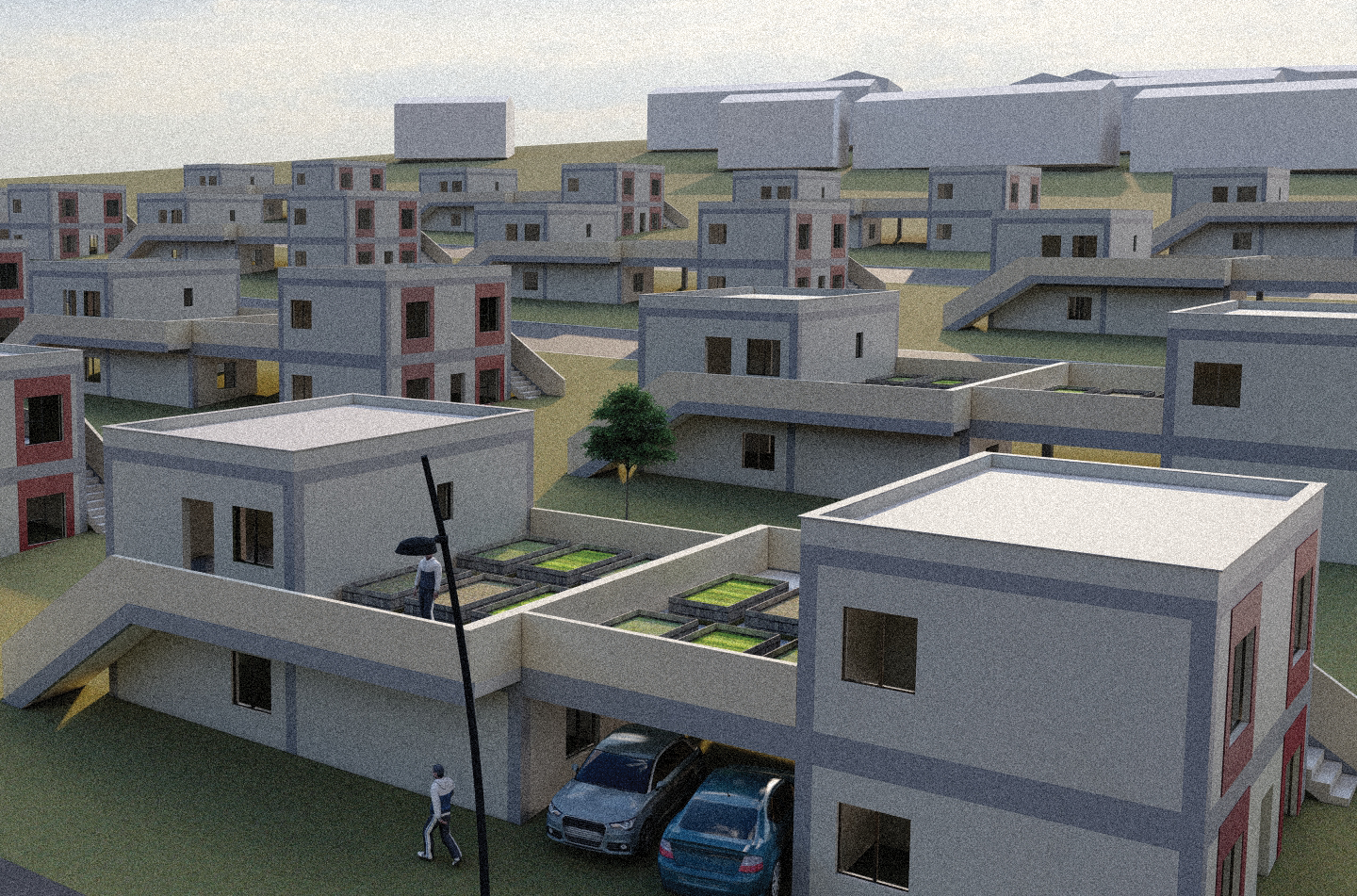
I propose a set of infrastructural elements that are brought together into a system to have multiple configurations that result in various forms of architecture and infrastructure, such as retaining walls for the allotment farms, foundations or beams for the bridges and incremental housing.