Traditional Healing Through Connection with Ancestors
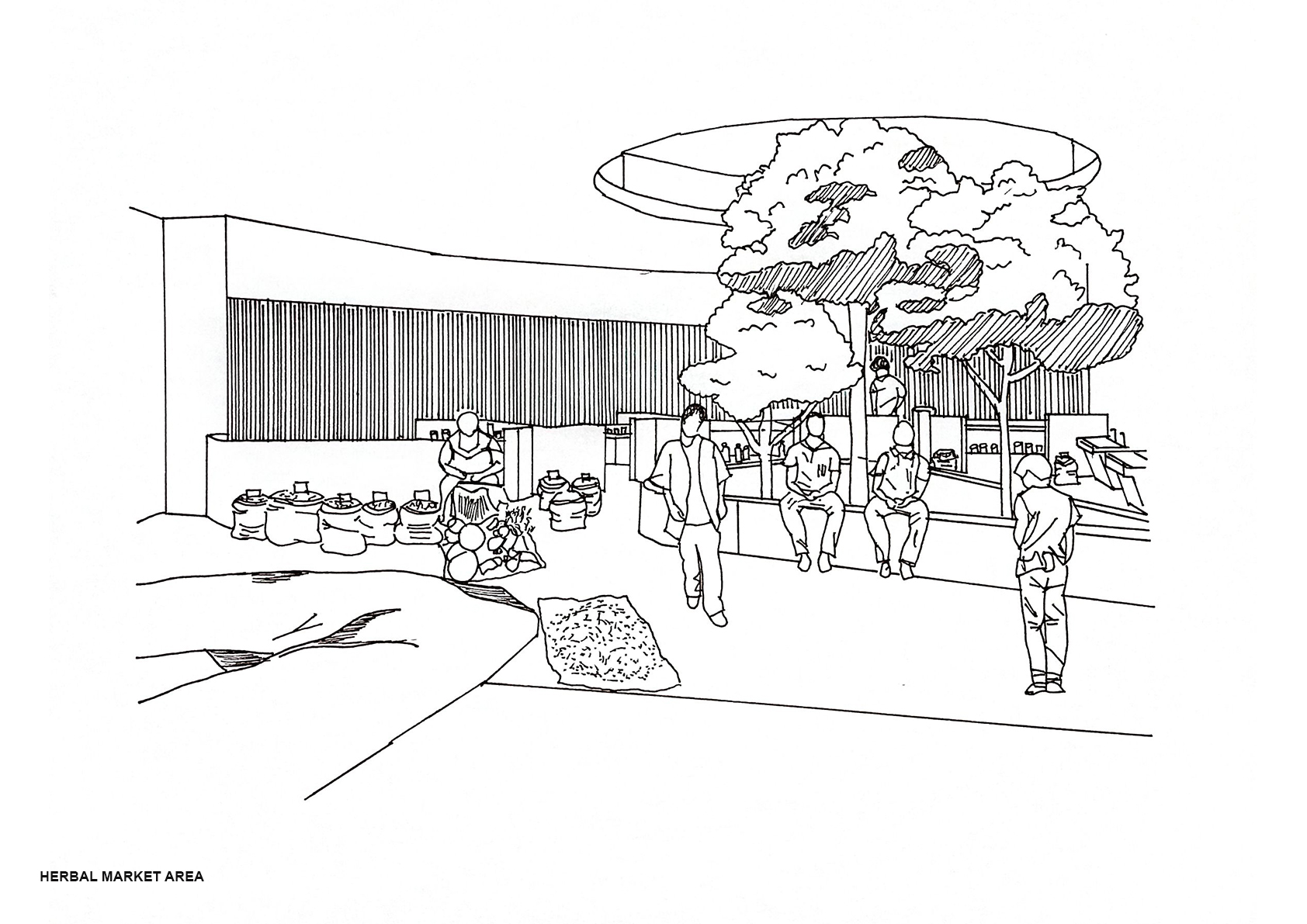
People have different perspectives on traditional healing. It is considered witchcraft. People who visit these areas are being labelled and looked at differently. This might be one of the reasons we do not have any traditional herbal markets in the streets of Sandton. Town planning regulations group these spaces on the outskirts of the towns. In Johannesburg, CBD healers used to practice and sell herbal medicines under the bridges, which gave rise to Kwa Mai-Mai and Faraday herbal markets. These spaces are hidden. Their allocations may be linked to their hygiene, overcrowding, all types of pollution, and the kinds of rituals performed there, such as hanging skulls and animals. They may perceive themselves as scary places, but this is where healing is hidden. We have another big herbal market in Durban known as Warwick Junction. Why should we not have any herbal markets in Sandton?
Very few healers practice traditional healing in their homes in Sandton City. There is one healer practicing at MorningSide, Hyde Park, Parkmore, and Sandhurst. However, there are no herbal markets, which leads to healers practicing in their residences.
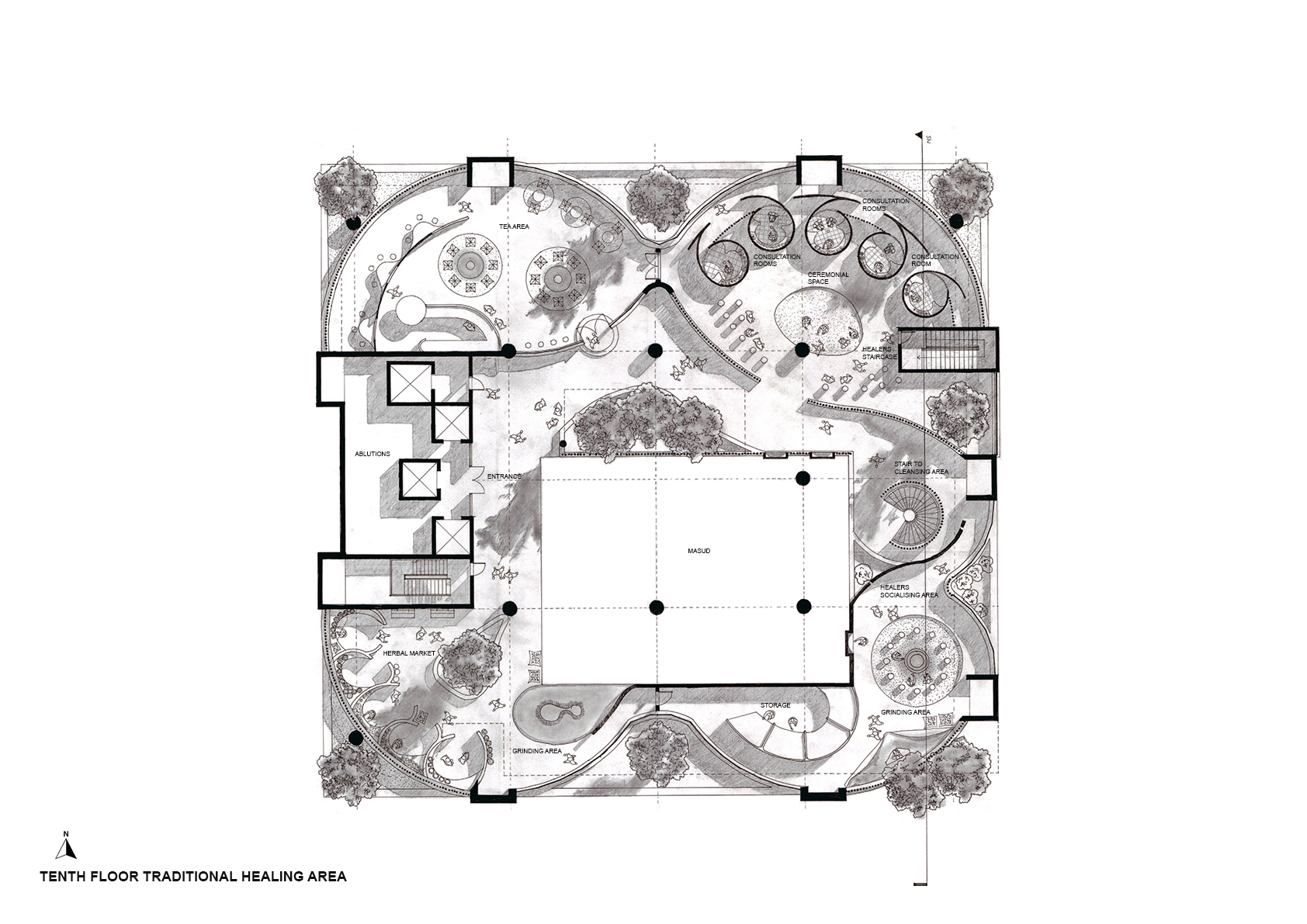
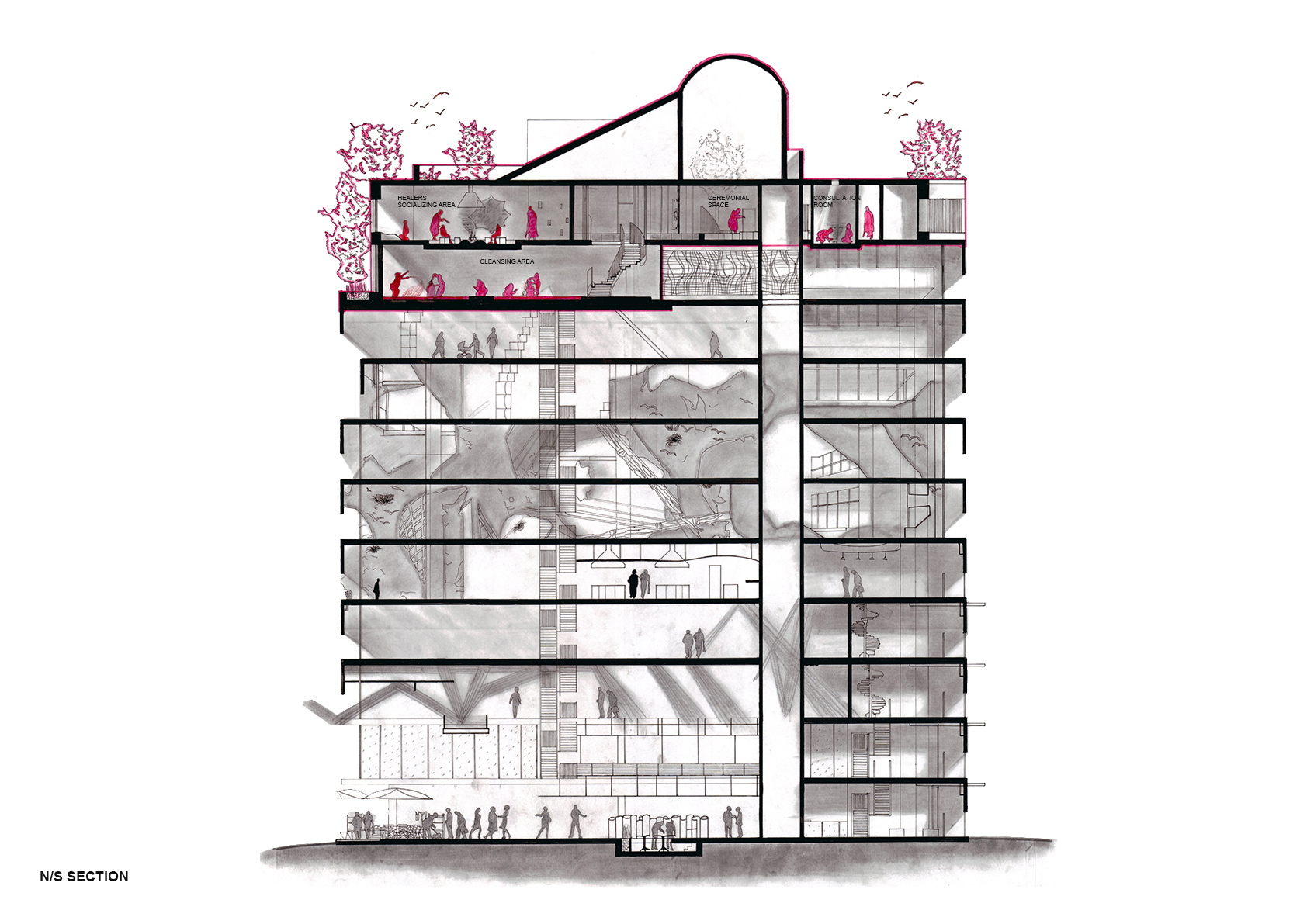
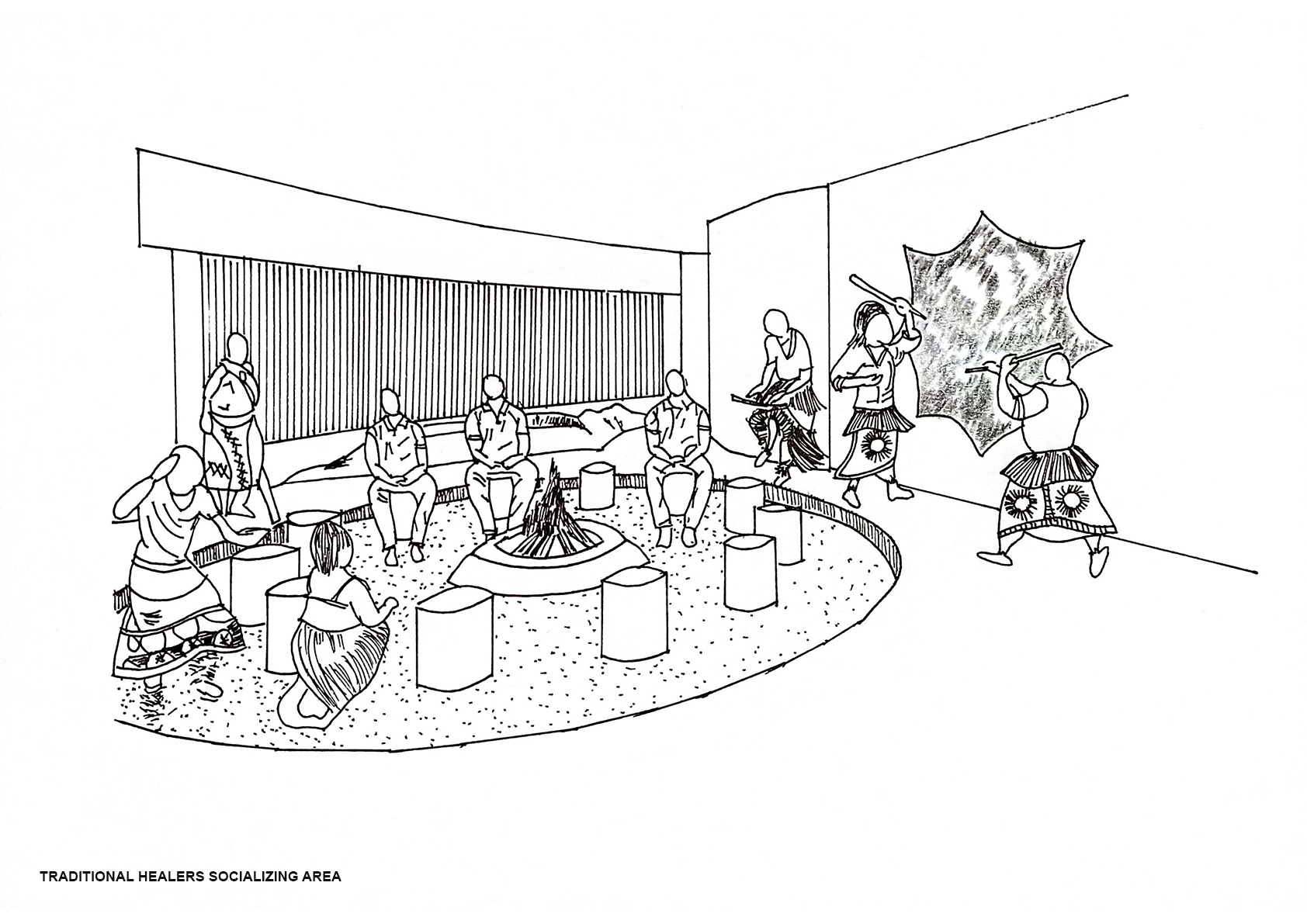
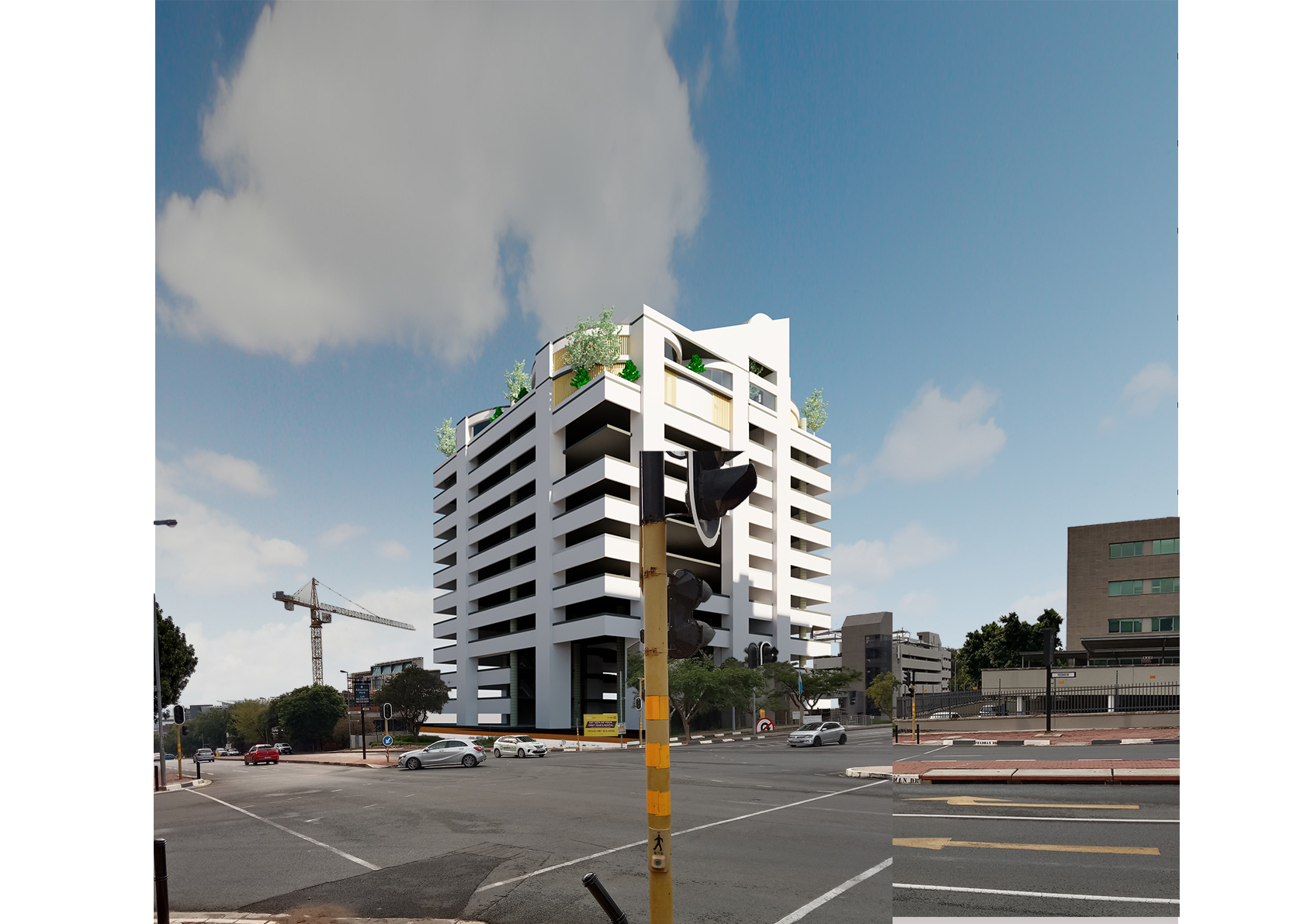
Fredman Towers is an office building found on Sandton Street. It has different commercial businesses occupying the offices. It has come to my attention that a lot of young people in South Africa believe that they have an ancestral calling. From a young age of 9 years, they accept their calling and go to initiation schools for training about traditional or ancestral calling. It is believed that if you do not accept the calling, your ancestors will punish you, and the punishment can lead you to the grave. It is sad to come back from the ancestral initiation and not have indumba to practice their calling, traditional healing. I am proposing to create a sacred space for traditional healers to practice their healing or what they have learned from the initiation schools. I believe traditional healing can still be brought to the streets of Sandton. The spaces will serve the staff members occupying the building and be opened to the public. In these spaces, they will be able to connect and communicate with their gods or ancestors. It will give them an opportunity to go back to their roots and be proud of their traditions.
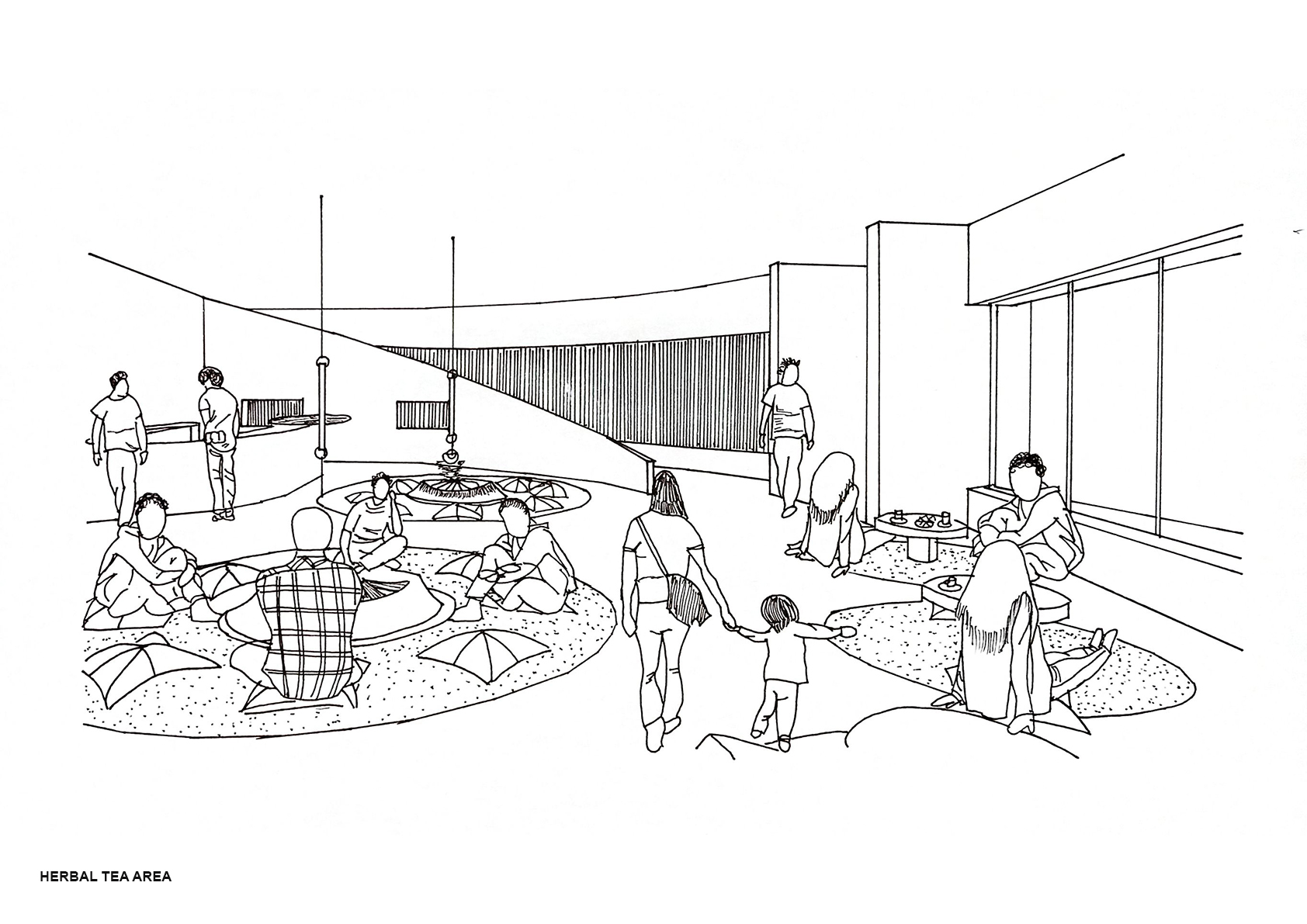
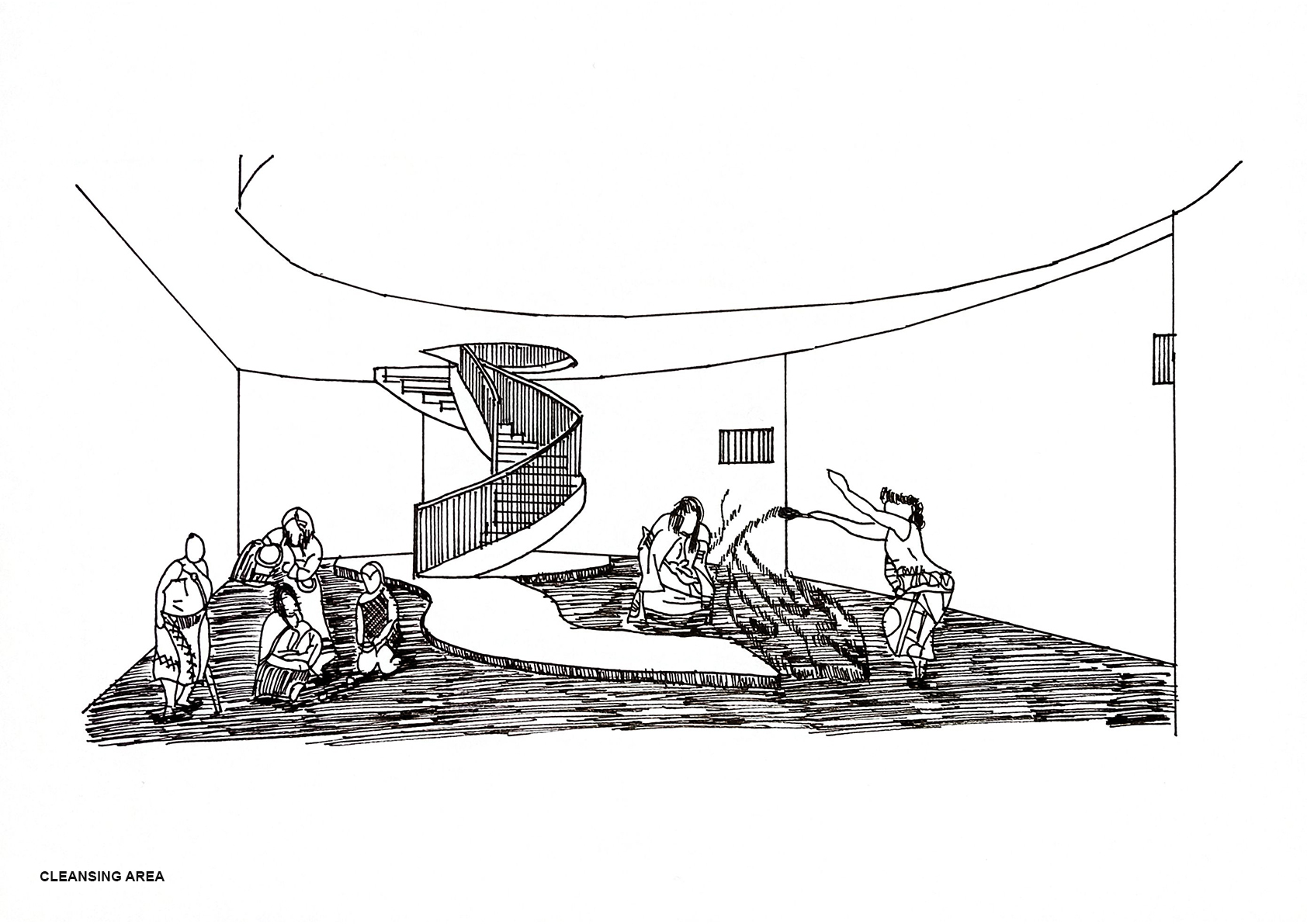
The idea is to use herbs to form this circular form, which you may call a kraal where traditional healing rituals will be performed. All the programmes or ritual spaces will be arranged following the circular form. These spaces will be arranged in a way that they will still be visible to the outside, allowing natural ventilation and lighting. Circulation will happen in the center, creating a journey for users. They will be able to visit and observe all the ritual spaces. This space has an open plan which will allow a person who is in the waiting area to see all the rituals which are performed at the herbal store or market. The programmes which are included in the design are consultation, herbal store/market, sorting and storage and cleansing.
Reintroduce indigenous techniques and materials to my design. Cow dung is used in rural areas as a flammable element for fireplace and floor finish in traditional huts. Cow dung floor finish allows users to create decorative design patterns. This is done every time the dung has weathered. Cow dung is mixed with water to create the floor finish. I intended to explore with cow dung finished my floor finished in the construction of the consultation rooms for traditional healers. I will be exploring different patterns and materials to test the durability of pleasing patterns. Allowing other materials to mix with cow dung to test the workability of the material when mixed. I still want these spaces to carry the essences of cow dung, which will enable them to connect with their ancestors. Ground is an important element in traditional healing.