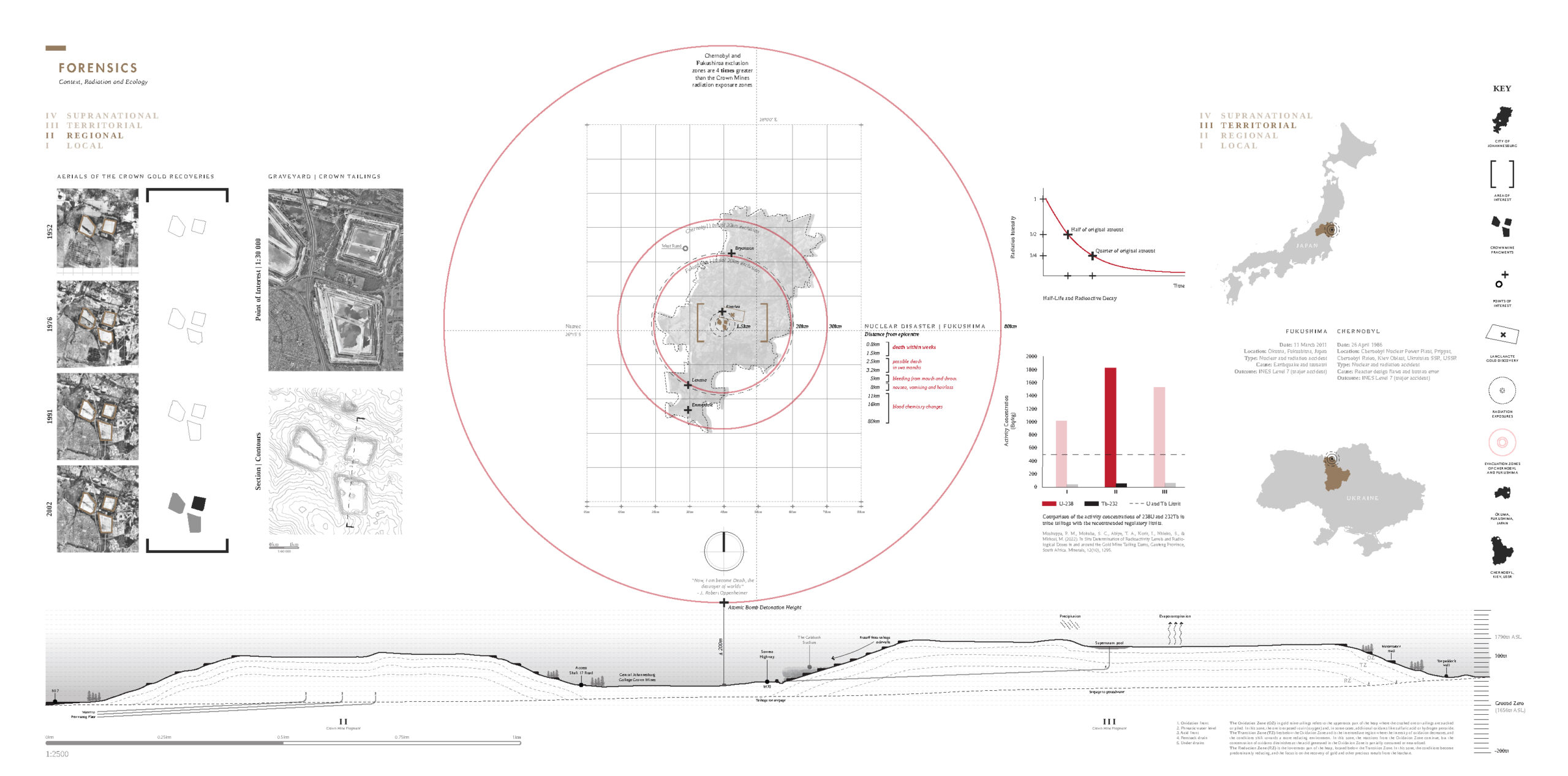
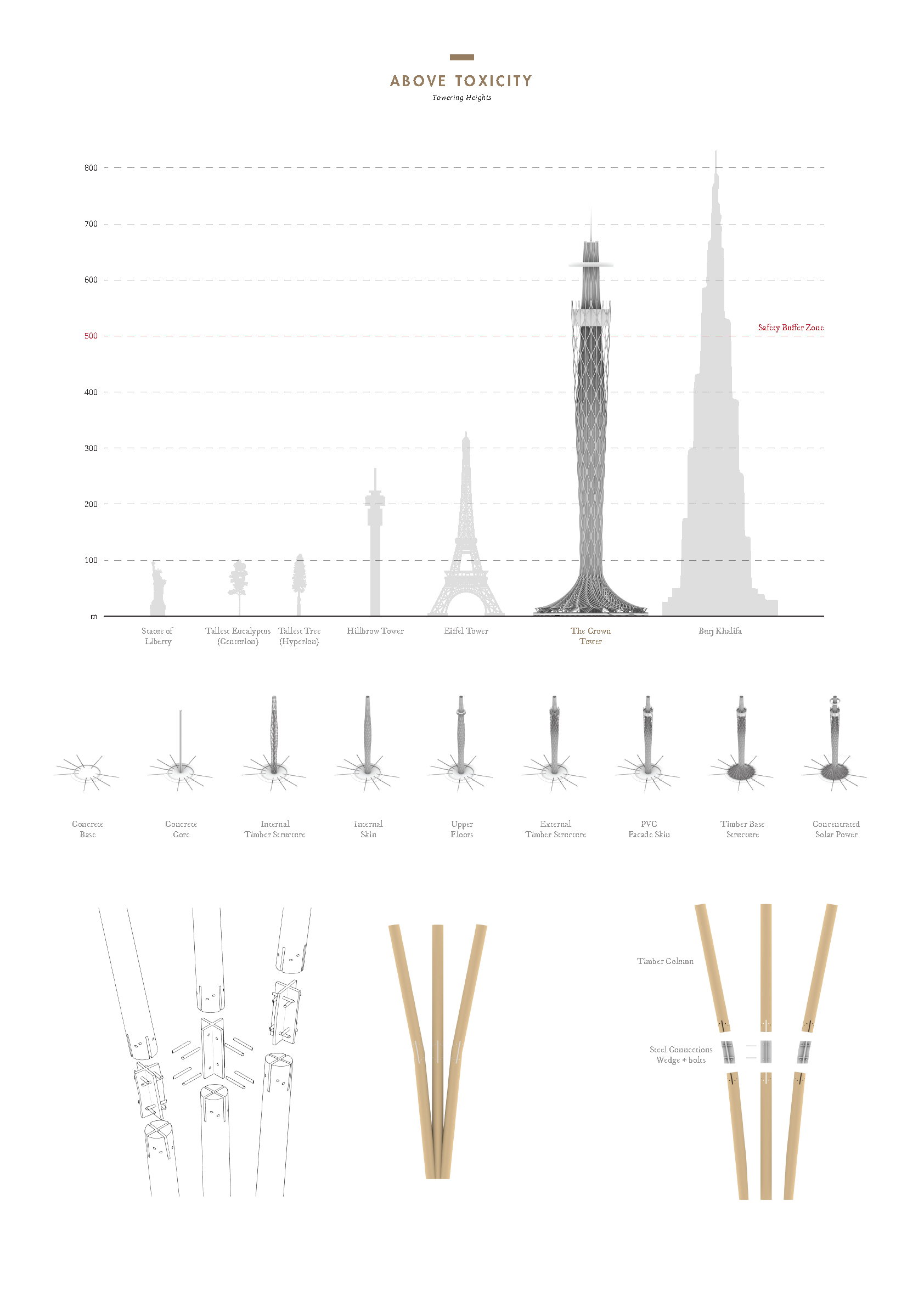
The narrative unfolds in Johannesburg, a city rooted in the pursuit of gold, where the ecological consequences of extraction beneath the surface have shaped both the dream of prosperity and the reality of environmental transformation. The focus is on Langlaagte, the origin of this dream, now marked by the dual identity of ongoing extraction and a dense urban landscape.
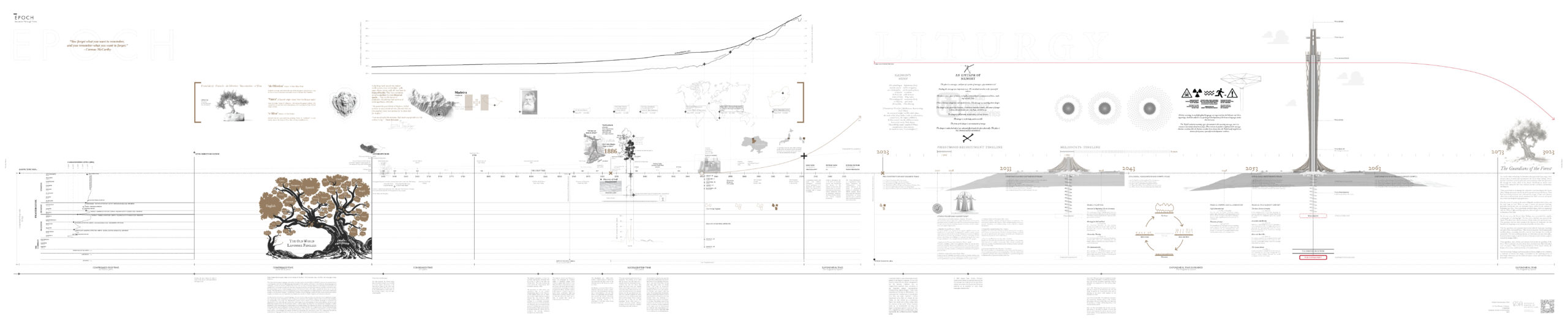
The research inquiry stems from the observable scars on the landscape and shifts in contours since the gold rush, questioning the impact on ecology. This exploration intertwines with personal genealogy, leading back to Madeira, an island similarly affected by the Sugar Revolution, highlighting the family names’ thematic connection to trees.
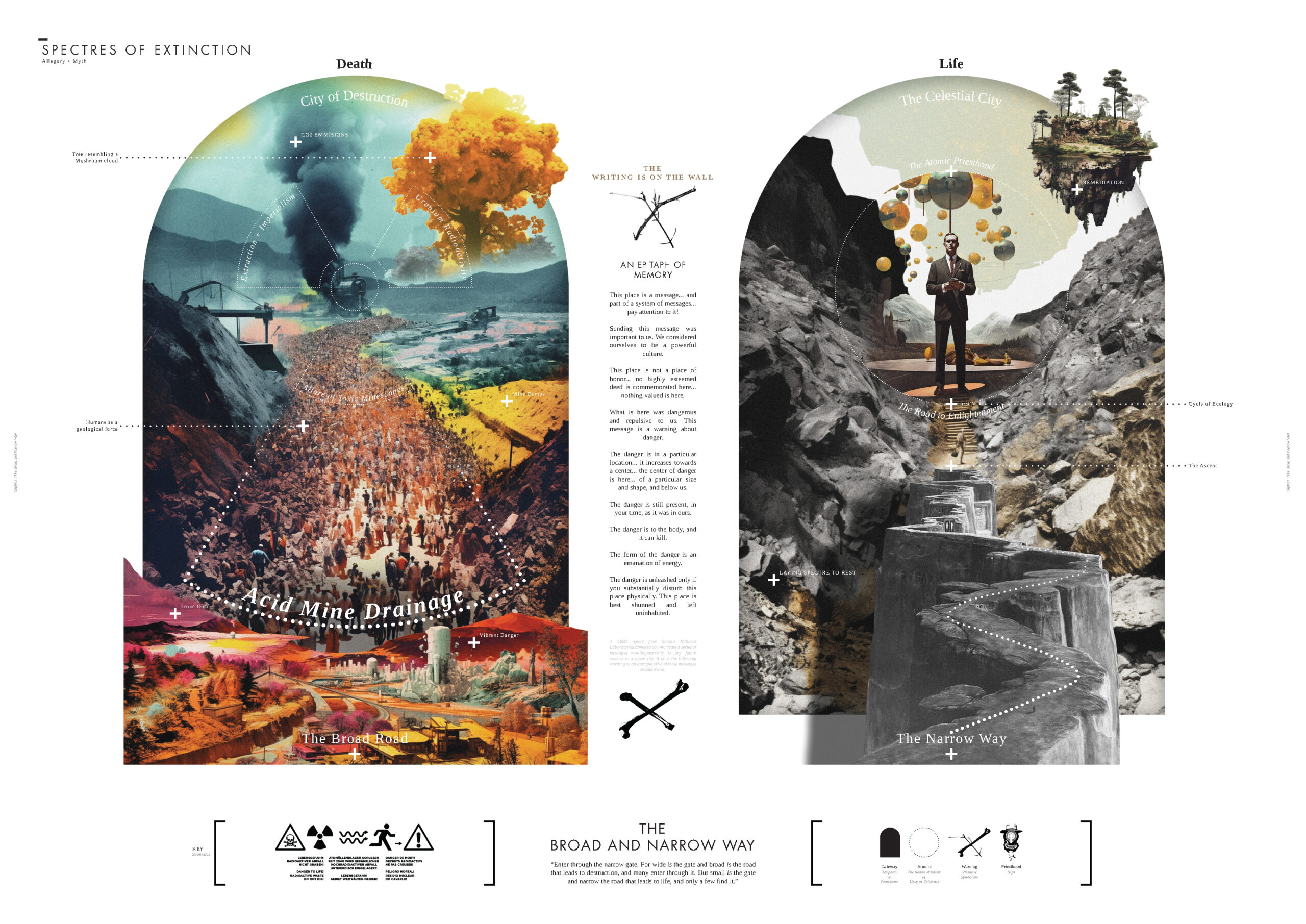
The project raises profound questions about the fate of civilizations and our communication systems, emphasizing the importance of leaving a warning for future generations. The possibility of nature, represented by the eucalyptus tree, as an indicator of radioactivity becomes a central focus. The notion of ‘glowing’ trees surrounding mine tailings as a visible reminder of contamination, offering a dual purpose of warning and potential remediation, emerges as a unique and innovative idea.
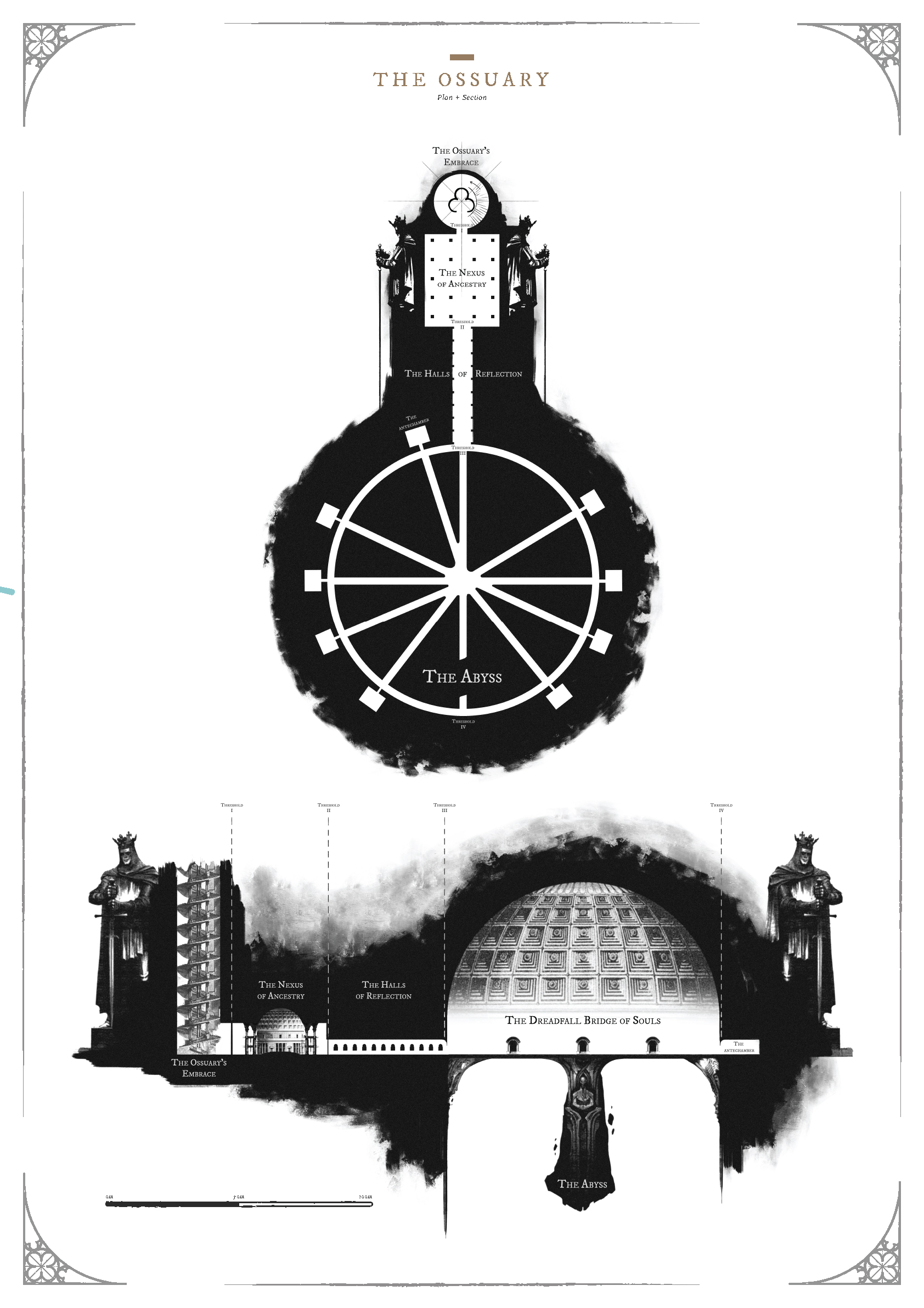
Inspired by a linguist’s concept of an atomic priesthood, the narrative explores the idea of a ritualistic framework and folklore cultivation to address the geological specters left by uranium, a by-product of gold mining, contaminating the Crown Mine tailings. The proposed strategy aims to create a spatial warning and facilitate the symbolic resolution of environmental challenges—an epitaph of memory that transcends generations, embodying hope and the potential for ecological remediation. While the manifestation of this vision remains uncertain, the researcher seeks a solution that can both contain toxicity and serve as a spatial warning against repeating past mistakes.